

Unbelievable Laws You’ll Only Find in Delaware
If you search for weird laws in Delaware, Delaware may be one of the smallest states in America, but when it comes to strange laws, it delivers huge. Hidden inside the State Code and tucked away in tiny municipal rulebooks are laws that feel more like historical Easter eggs than modern regulations. From ultra-specific fishing restrictions to leftover blue-law echoes, Delaware’s legal quirks reveal a fascinating mix of Colonial history, local autonomy, and good old-fashioned legislative inertia.
So if you’ve ever wondered how a state known for corporate giants also ends up with laws about oysters, carriages, and Main Street banners… well, buckle up! Delaware’s weird laws are a wild ride. 🇺🇸
Table of Contents
- Weird laws in Delaware often come from old State Code sections or local municipal ordinances.
- Many rules are relics of colonial or early American life preserved in local legal history.
- Enforcement varies – some are enforced, some are symbolic, and some are misunderstood.
- Local counties like New Castle, Kent, and Sussex keep the quirks alive with odd municipal rules.
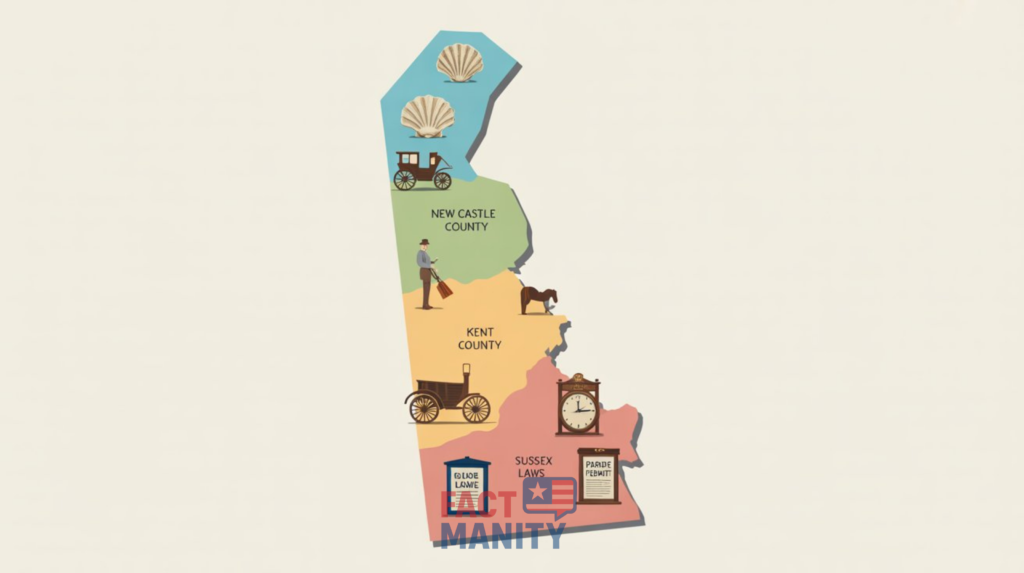
👉Reference Table: Weird Laws in Delaware
| Rule | Jurisdiction | Why it’s odd |
|---|---|---|
| Fisheries and oyster limits | State Code, coastal Sussex County | Detailed and ancient-sounding restrictions on who can harvest what and when |
| Historical carriage provisions | Municipal ordinances in older towns | Rules that still reference horses and buggies |
| Sunday closing remnants | State and municipal statutes | Old “blue law” echoes about activity limits on Sundays |
Quick Answer: Yes, there are legitimately strange statutes and municipal ordinances in Delaware, ranging from fisheries minutiae to quirky holdovers in the State Code. Many of these “dumb laws in Delaware” are relics of the past, but a surprising number still affect modern life, especially in local counties and municipal governments.
Introduction
What counts as “weird” in law?
- State law vs. local ordinance: how they differ.
- Legal language that sounds absurd today but had a purpose historically.
- Why the State Code keeps some of these oddities: inertia, oversight, or tradition.
Not every strange-sounding statute carries real legal teeth. Some are inactive ghost provisions, some the legislature quietly updated, others live on in dusty municipal ordinances. Still, context matters: a fisheries rule in Sussex County can be very serious, while a carriage ordinance in a small town is mostly an entertaining historical artifact.
Why Delaware?
- Small state, long legal history, lots of municipal autonomy.
- Colonial roots: Dutch, English, and later American legal traditions fused here.
- Corporate law fame overshadows the weirdness, but it’s all part of the State Code ecosystem.
Delaware’s prominence in corporate law (hello, corporate charters) doesn’t stop its streets and shores from harboring odd local rules. Think of it as a dual personality: Wall Street-style corporate sophistication side-by-side with charmingly stubborn municipal eccentricity.
Delaware Odd Laws
🦪 Coastal & Fisheries Quirks in Delaware

- Strict licensing and bag limits for oysters and crabs governed by the State Code.
- Seasonal closures and gear restrictions that sound almost medieval but protect ecosystems.
- Enforcement by state agencies and local county deputies… these are not “funny” rules if you fish commercially.
Real-life example: compliance with oyster harvest rules in Sussex County has economic consequences, commercial fishermen must heed seasonal closures or face fines. What reads as “weird” actually reflects conservation priorities baked into modern State law.
📢 Odd Public Behavior Rules in Local Towns
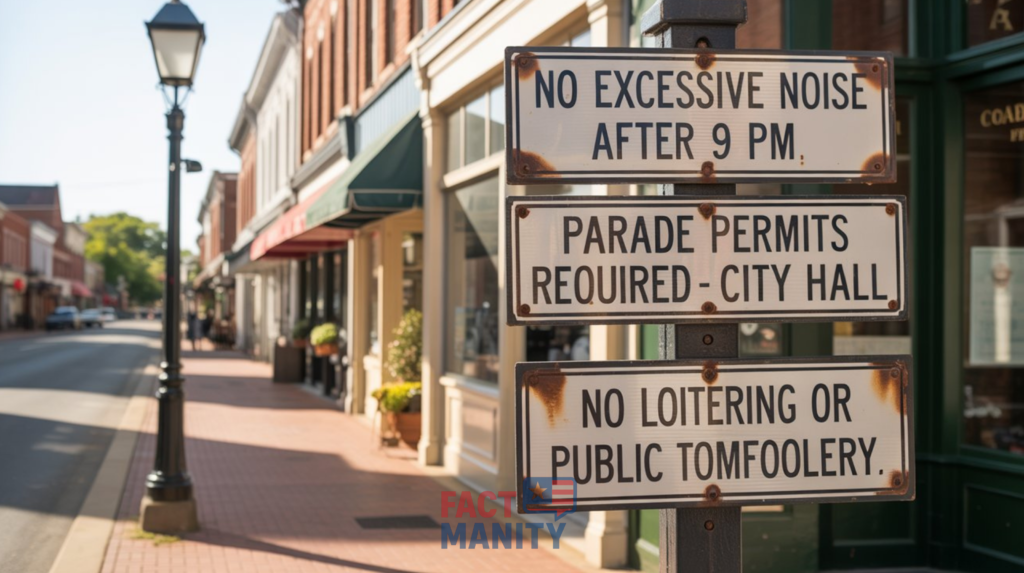
- Municipal ordinances that regulate parades, public speaking zones, and amplified sound in historic downtowns.
- Some local rules reference outdated technologies or practices, making them sound absurd today.
- Enforcement discretion: police rarely cite odd municipal rules unless there is a public safety reason.
Take downtown noise rules: they may forbid “loud mechanical or animal sounds” at certain hours. That can produce laughs on paper, until your drum circle draws an officer for a noise complaint during a summer festival.
Historic State Oddities
📜 Colonial-Era Legal Leftovers
- Provisions that originated in colonial governance and were never fully repealed.
- References to archaic units, obligations, or ritual penalties long out of practice.
- Legal historians love these, modern attorneys treat them as curiosities unless invoked.
Example: you might find statutory language that references early trade practices or local penalties for nuisances that sound like a history professor’s footnote. These things persist because amending codes requires legislative attention, and lawmakers have limited appetite for housekeeping unless a controversy arises.
As we are talking about some history of America, you must check out this “Where Is Area 51’s” conspiracy and secret laws.
🙏 Sunday Laws & Blue-Law Echoes
- Old “blue laws” limiting certain activities on Sundays still appear in some municipal texts.
- Often relaxed or unenforced, but they can complicate local events or business hours.
- Particularly found in towns with deep religious and historic roots across the Southeast U.S. tradition.
In practice, modern courts and local governments have mostly softened blue laws, but traces remain… entirely legal relics that can require legal counsel to navigate for event planning or business licensing.
👉Check out more about some Blue Laws on this “Connecticut’s article”.
Crazy & Strange Local Rules!
🐐 Unexpected Local Rules in Small Towns
- Historic towns with municipal ordinances limiting certain displays or attire in public events.
- Code sections addressing livestock, noise, and public nuisances that read like a rural fable.
- Local governments keep these for order or because no one noticed they were outdated.
For example, an old town might have a municipal prohibition on tethering livestock in specific public spaces. You won’t be cited for walking a goat downtown, probably, but it’s technically an ordinance some council members know about.
🚧 Signs, Parades & Permit Surprises
- Municipalities create surprisingly specific sign and banner rules for historic districts.
- Temporary permits for parades and the municipal power to ban floats that “impugn public morals” (yes, the language still exists in places).
- Enforcement tends to be practical, permit then party… unless a local official has a vendetta.
Real example: a local code might require a permit to hang a banner across Main Street and forbid anything “offensive.” What counts as offensive? That’s up to municipal enforcement officers and local legal history arguments.
👉Also check out this Colorado’s article about some crazy and weird laws.
Wrap-Up!
🧠 Why These Weird Laws Still Exist
- Legislative inertia: it’s easier to leave a clause alone than to repeal it.
- Municipal pride in tradition keeps some odd rules on the books.
- State Code modernization happens, but not every relic is caught in the sweep.
The takeaway: many of the weird laws in Delaware are context-driven. Some are enforced and important (fisheries, public safety), others are charmingly dumb laws in Delaware that exist mostly on paper. Either way, they make for excellent reading and occasional WTF moments.
WTF Moment
🤯When These “Weird Laws” Cause Real Problems
- An oyster harvester fined under State Code provisions is no laughing matter.
- A parade denied a permit because of an obscure municipal phrase can spark outrage and revised ordinances.
- Local legal history can suddenly become headline news when a resident challenges enforcement in court.
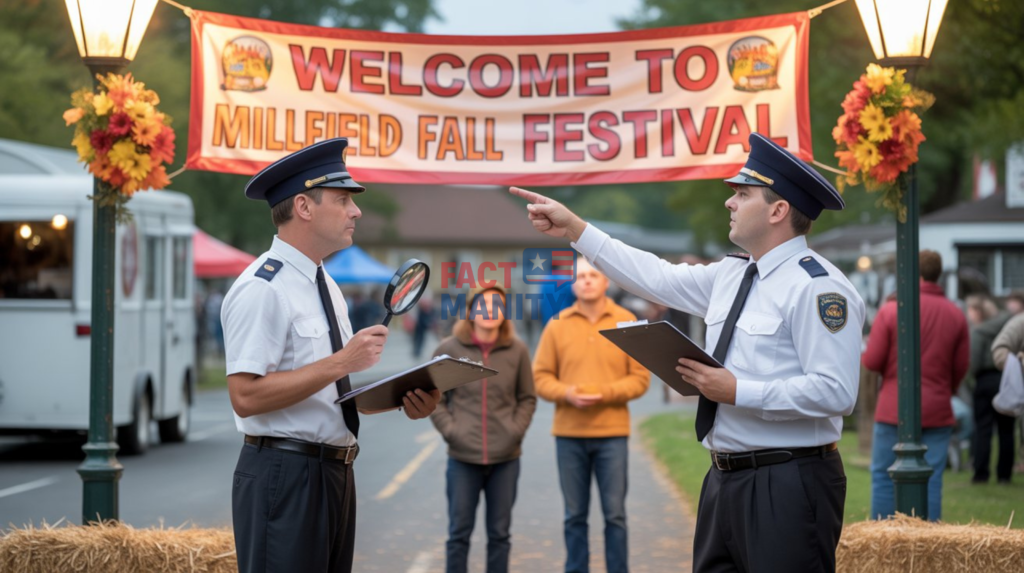
WTF example: a festival in a historic town nearly got shut down because a banner applied over Main Street without the right permit. The municipal ordinance’s archaic language created a bureaucratic circus the town had to awkwardly fix mid-festival.
🧩 Micro-Stories: Real Delaware Oddities
- The Oyster Argument: A small fishing family in Sussex County got a surprise citation for harvesting during a closed season. They learned State Code terminology fast and hired a lawyer familiar with Delaware fisheries law. Lesson: respect the State law when you make your living on the water.
- The Banner Battle: A volunteer-run parade in a historic downtown had its banner rejected for violating a municipal ordinance that forbade “offensive displays.” After a weekend of gossip and a council meeting, the ordinance was clarified. The parade continued… the banner stayed up.
- The Carriage Clause: An antique fair in a small town referenced carriage ordinances for route planning. Organizers laughed until an elderly resident insisted on a narrow route to avoid “the telephone pole” mentioned in the ordinance. They re-filed permits and enjoyed the nostalgia.
- The Blue Law Surprise: A Sunday market vendor was told she needed a permit for a “commercial stall”… even though the vendor had paid taxes for years. The town’s blue-law residue caused paperwork frenzy but no arrests.
⚡ Quick Facts About Weird Laws in Delaware
- Delaware is divided into three counties: New Castle, Kent, and Sussex. Each has its own local enforcement quirks.
- State Code contains modern statutes and sometimes ancient language… both live together.
- Municipal ordinances are where you’ll find the most charming oddities, cities and towns write rules for their own residents.
- Many “dumb laws in Delaware” are more myth than menace. Check actual State law or municipal codes to confirm.
🏁 Final Thoughts
Delaware is charmingly contradictory: a global corporate hub with a surprising number of tiny, quirky laws tucked into its State Code and municipal ordinances. Whether you’re intrigued by fisheries statutes, baffled by carriage-era clauses, or just amused by blue law echoes, remember this: context is the law’s best friend. Some rules exist for public safety and commerce… others are historical artifacts. If you plan to fish, host an event, or run a quirky festival in any of Delaware’s local counties, consult the relevant municipal ordinances and State law, then bring a sense of humor.
Love discovering America’s weirdest laws? Stick around, we post new state-by-state legal oddities that will blow your mind. Drop a comment or share this with someone who loves strange U.S. facts!
Disclaimer: This article is for informational and entertainment purposes only and does not constitute legal advice. Laws and ordinances can change over time and may vary by city or county. Always consult official state statutes, local municipal codes, or a qualified attorney for the most accurate and up-to-date legal guidance.
FAQs
Are these weird laws in Delaware actually enforced?
Enforcement varies. Conservation-related rules and public safety statutes in the State Code are enforced seriously. Many municipal oddities are enforced only when they intersect with public safety or a complaint arises.
Where can I check if a rule is still valid?
Look at the current Delaware State Code online and the municipal ordinances for the specific town. County websites for New Castle, Kent, and Sussex may also link to local law texts.
What should I do if I find an absurd local ordinance?
Contact the municipal clerk, attend a council meeting, or petition for a code update (Official Delaware Courts Link). Local legal history can be fun, but lawmakers can modernize language when citizens push back.
Do these laws reflect the whole Southeast U.S.?
Many oddities mirror traditions across the Southeast U.S., but Delaware’s small size and long legal continuity give it a unique concentration of quirky clauses.
Can I be fined under an old-sounding ordinance?
Yes. Old language does not mean unenforceable. If a municipal ordinance or State law applies to your conduct, enforcement and fines are possible… especially in matters like fisheries or public safety.
What’s the best way to avoid running afoul of local quirks?
Check municipal codes, consult county resources, or call the local clerk. For regulated activities like commercial fishing or large public events, consult an attorney versed in relevant State law and municipal ordinances.
Are there any truly ridiculous laws that are myths?
Yes, many “weird laws in Delaware” shared online are exaggerations or misinterpretations. Always verify with official sources before citing a law.