

🧭 Introduction: Why New Jersey Has Some of the Strangest Laws in America
Most people think they know New Jersey. The diners are legendary, the traffic is legendary for
different reasons, and locals will passionately defend the state’s pizza like it’s a constitutional
right. But hidden inside the state’s legal code is something far stranger: a collection of rules so
oddly specific that they sound like urban legends.
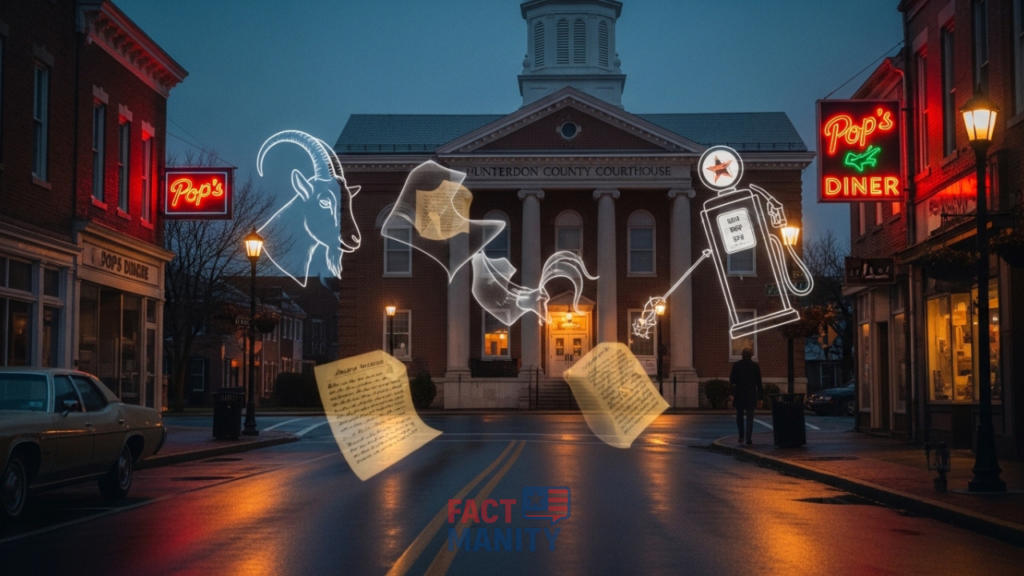
Other states have equally strange statutes… for example these weird laws in Montana.
Yes, we’re talking about the weird laws in New Jersey… the ones that make visitors pause at
gas stations, raise eyebrows in town halls, and occasionally trigger a “wait…that’s actually
illegal?” moment. Some were written decades ago when horse-drawn carriages still shared
roads with early automobiles. Others came from genuine public safety concerns that slowly
evolved into cultural quirks.
And then there are the laws that seem to exist purely to confuse outsiders. Why can’t you pump
your own gas in most places? Why do some towns still maintain hyper-specific animal rules?
And why do certain municipal ordinances read like they were drafted during a particularly
dramatic council meeting in 1894?
The truth is that many strange laws in New Jersey are less about absurdity and more about
history. They reveal how communities handled safety, employment, and public order long before
modern regulations existed. Today, they survive as fascinating legal relics… part history lesson,
part trivia goldmine, and occasionally still enforceable.
🔥 Key Takeaways
- ✔ New Jersey has several unusual laws, some of which are still technically enforceable today.
- ✔ The most famous rule is the statewide restriction on self-service gasoline pumping.
- ✔ Many “dumb laws” actually originated from historical safety concerns or economic policies.
- ✔ Some bizarre rules are municipal ordinances rather than statewide statutes.
- ✔ While many strange laws are rarely enforced, they remain fascinating cultural artifacts.
Table of Contents
📊 Quick Reference Table: Weird Laws in New Jersey
| Type | Example |
|---|---|
| Statewide | No self-service gas (practically enforced) |
| Municipal | Odd ordinances about animals, noise, or public behavior (varies by town) |
Quick Answer: Yes, New Jersey has its share of weird laws. Some are actively enforced (like gas pumping rules), while others are relics-legal antiques gathering dust-yet still technically on the books.
🤯 Weirdest Laws in New Jersey

⛽ The Famous “No Self-Service Gas” Rule
This is the big one. New Jersey is famously one of the few states that forbids drivers from pumping their own gasoline in most situations. For decades, attendants have handled the pump while drivers sip coffee and judge the nozzle technique.
Why? Originally safety and jobs. The result: a weird cultural expectation. If you try to grab the handle, an attendant (or a local) might give you the side-eye and sometimes state law backs them up.
The restriction on self-service gasoline has existed for decades and is tied to safety standards
and labor protections. Regulatory oversight and consumer protection policies in the state are
managed by agencies such as the
👉 New Jersey Division of Consumer Affairs, which oversees many statewide consumer regulations.
🦺 Body Armor and Criminal Intent Laws
Here’s a sensible-seeming, yet oddly specific rule: wearing body armor while committing certain crimes can be an extra charge. It’s not a “you may not wear a vest in public” ban aimed at survivalists. It’s targeted at people combining violence with protection. Still, the combination sounds like a movie plot.
🏛 Oddball Local Ordinances That Still Exist

🐐 Strange Animal Rules in New Jersey Towns
Municipal codes around New Jersey include some animal-related oddities. Some towns restrict which animals can be tethered in front yards, others have weird rules about livestock in urban areas. The surprise is that these laws exist at all in densely populated towns where a goat sighting would already trend on social media.
🚨 Public Behavior & Old-Fashioned Morality Laws
Across the state you’ll find ordinances that sound like they came from a Victorian handbook: fines for certain types of public displays, outdated Sunday restrictions, or rules about noises at odd hours. Most are ignored, but they remind us how local governments once micromanaged daily life.
📜 Why Some Weird Laws Never Disappear
🧾 Legal Inertia and Slow Code Cleanup
Repealing an ordinance takes time, votes, and political will. Many tiny towns simply never get around to combing through their codes. The result: a museum of mildly embarrassing rules live on the municipal website.
Many of these strange statutes remain in place simply because removing outdated laws requires time, legislative votes, and administrative review. Anyone curious about how laws are written, updated or removed can explore the official legislative resources available through the
👉 New Jersey Legislature website, which publishes current statutes and legislative activity.
⚖ The “Just In Case” Lawmakers’ Logic
Some statutes remain because lawmakers figure they might serve a purpose someday… however unlikely. Better to keep a prohibition on tying a llama to a fire hydrant, they reason, than to risk chaos when the llama renaissance finally arrives.
😳 WTF Moment: Laws Written for Horses
One garden-state legend that circulates: a town ordinance banning activities “likely to frighten the horses.” It’s both adorable and proof that city councils once had a lot more to worry about… like runaway carriage incidents during the hay-fever season.
Whether or not the exact wording survives in a given borough, the image of a stern clerk fining a teenager for startling a horse is pure Jersey gold.
🎭 Micro-Stories From the Garden State
The Pump Protest: Bob, a Jersey transplant, tried to pump gas in South Jersey during a road trip. An attendant gently blocked him, handed over a squeegee, and offered local tips. Bob left embarrassed and educated. The attendant didn’t even laugh… just practiced citizen enforcement.
The Goat Mix-Up: A viral photo showed a goat on a small-town porch. The caption claimed the owner was arrested under a centuries-old ordinance. In reality, the town clerk said, “We prefer goats indoors.” No arrest – just a social-media circus and one very indifferent goat.
The Noise Complaint That Was a Musical: A brass band rehearsing for a parade was ticketed because practice hours violated an obscure local rule. The band appealed. The judge ordered a compromise: more rehearsal, fewer tickets. The town now embraces spontaneous parades.
The Vest That Ruined a Heist Plan: A trueish cautionary tale: wearing body armor during a felony can escalate charges. A man who thought a vest was a strategic fashion choice ended up with more than he bargained for-both legally and sartorially.
If you think New Jersey’s laws are strange, wait until you see these weird laws in Nevada.
⚡ Quick Facts About Weird Laws in New Jersey
- New Jersey and Oregon are the most famous states for gas-attendant rules (Oregon relaxed its law regionally in recent years… New Jersey remains mostly attendant-pumped).
- Many bizarre laws are actually municipal ordinances, not state statutes.
- Just because a law is odd doesn’t mean it’s unenforceable… many are rarely used but can be invoked under the right circumstances.
- Urban legends grow fast—ask city clerks or search municipal code databases to verify.
🏁 Final Thoughts: Why These Laws Still Fascinate People?
New Jersey’s legal oddities are a delightful blend of practical regulation and historical eccentricity. Some laws, like the restriction on pumping your own gas, shape daily life. Others are charming artifacts that make for great bar trivia and excellent content for awkward dinner conversations.
If you plan to flout an old ordinance just to be cheeky, remember: ignorance of the law seldom works as a defense. When in doubt, ask a local. Or better yet, enjoy the spectacle and take a photo – just don’t try to unhook the goat.
New Jersey may be famous for beaches, diners, and some very strong opinions about pizza,
but its legal history is just as fascinating. The weird laws in New Jersey show how
communities tried to balance safety, culture, and everyday life long before modern regulations
existed.

While many of these rules now feel like relics from another era, they still offer a surprising
glimpse into how laws evolve over time. And occasionally, they still affect real life, like that
moment at the gas station when a visitor realizes they’re not supposed to touch the pump.
If you enjoy discovering strange legal quirks like these, explore more of our weird laws series
across different U.S. states. You might be surprised how many bizarre rules still exist in places
people travel every day.
explore more of our weird laws series across different U.S. states
FAQs❓
Q: Are these weird laws in New Jersey actually enforced?
Some are actively enforced while others exist mostly as historical relics. For example, the rule about not pumping your own gas is still widely enforced across the state. However, many older municipal ordinances are rarely applied unless a complaint or unusual situation arises.
Q: Why does New Jersey still prohibit self-service gas?
The restriction originally started in 1949 for safety reasons and to protect gas station jobs. While many states later allowed self-service fueling, New Jersey kept the rule, making it one of the few states where attendants still handle pumping gas for drivers
Q: Are most strange laws in New Jersey state laws or local laws?
Many of the strangest regulations actually come from local town ordinances rather than statewide legislation. Smaller municipalities historically created very specific rules to manage noise, animals, and public behavior.
Q: Can tourists accidentally break one of these laws?
It’s possible but unlikely. Most visitors encounter only normal regulations. The most common surprise is the self-service gas rule, which many out-of-state drivers don’t know about.
Q: Why do outdated laws remain on the books?
Removing old laws requires legislative time, votes, and administrative effort. Unless a law causes problems or attracts public attention, governments often leave outdated statutes untouched.
Q: Do other U.S. states have similar weird laws?
Yes. Nearly every U.S. state has unusual historical statutes. From bizarre animal regulations to outdated transportation rules, many states still maintain laws that reflect life from a completely different era.
Disclaimer: This article is for informational and entertainment purposes only and does not constitute legal advice. Laws and ordinances can change over time and may vary by city or county. Always consult official state statutes, local municipal codes, or a qualified attorney for the most accurate and up-to-date legal guidance.