

The Controversial Murals of Denver Airport 🎨🛫
It usually starts the same way. A red eye flight, a long layover, and a traveler wandering through the corridors of Denver International Airport long after most shops have closed. The fluorescent lights hum. The terminal feels a little too quiet. Then they see it.
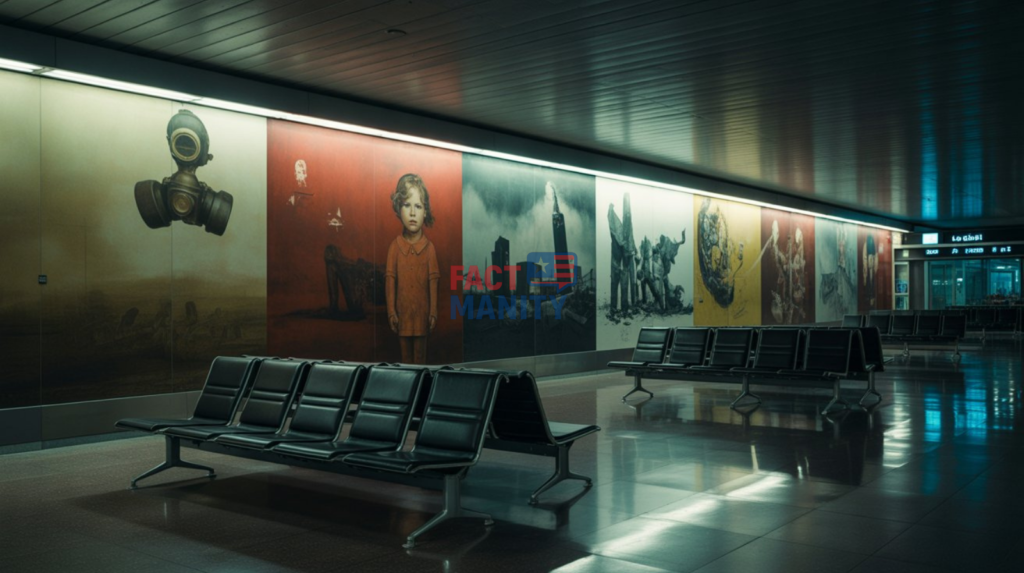
A towering soldier in a gas mask, clutching a sword and a rifle, looms over a line of desperate people. Children sleep amid rubble. A rainbow arches over burning cities. Doves lie still beneath cold steel. It feels less like an airport mural and more like a warning from another world.
By morning, that traveler might be on Reddit, TikTok, or a conspiracy forum, typing the same words thousands of others already have: “What is going on with the Denver airport murals?” From New World Order rumors to secret government bunkers, the Denver airport murals conspiracy has become one of the most persistent modern mysteries in American travel culture.
So what is actually known, what is speculative, and what remains genuinely unexplained about this weird airport art conspiracy? This investigation digs into the official story, the darkest interpretations, and the gap between what we are told and what we see on the walls.
- The most talked about Denver airport murals were created in the mid 1990s by artist Leo Tanguma and officially represent themes of war, peace, and environmental healing.
- Conspiracy theories link the DIA murals to secret societies, underground bunkers, and alleged government continuity programs, but public evidence for these claims remains weak or circumstantial.
- Symbolism like gas masks, dead doves, and children of different nations has fueled interpretations of an apocalyptic mural Denver airport visitors connect to New World Order narratives.
- The airport and artist have repeatedly stated the murals are anti war and pro peace, yet selective imagery and limited context contribute to ongoing suspicion.
- Available documents, media coverage, and declassified records do not confirm a hidden agenda behind the murals, though questions about DIA’s broader construction and cost overruns keep speculation alive.
Table of Contents
👉Official View vs Conspiracy Interpretation
| Aspect | Official View | Conspiracy Interpretation |
|---|---|---|
| Main Murals | Anti war, peace, and environmental restoration themes | Prophetic roadmap of global catastrophe and control |
| Symbolism | Children, doves, and rainbows as hope and unity | Hidden signals of depopulation, bio war, and new order |
| Location | Public art in a major American travel hub | Messaging hub linked to alleged underground facilities |
| Evidence | Artist statements, art grants, and local oversight | Pattern matching with rumors about DIA and government programs |
Quick Answer:
The Denver airport murals are officially described as socially conscious, anti war artworks reflecting global conflict and the hope for peace and environmental recovery. Conspiracy discussions claim the dia mural meaning is far darker, pointing to alleged connections with secret societies, emergency government facilities, and a coming global crisis. At this time, verifiable evidence supports the artistic explanation more than the hidden agenda theories, although some unanswered questions about DIA’s broader design and symbolism continue to fuel speculation.
Introduction
Origins of Denver International Airport 🏗️📍
Denver International Airport, often called DIA, opened in 1995 after years of controversy, construction delays, and cost overruns. According to reports, the airport ultimately cost around 4.8 billion dollars, significantly more than original estimates. This massive scale and budget immediately attracted scrutiny.
Before DIA, Stapleton Airport served Denver for decades. When city leaders decided to replace it, they pushed for a modern, high capacity hub that could compete globally. The result was an unusually large airport complex, with runways and terminals spread out over roughly 53 square miles of land, making it one of the largest airports in the United States by area.
From the beginning, that sheer size and isolation on the plains east of Denver made people wonder what else might be hiding out there besides planes and passengers.
How the Murals Came to Life 🎭🖌️
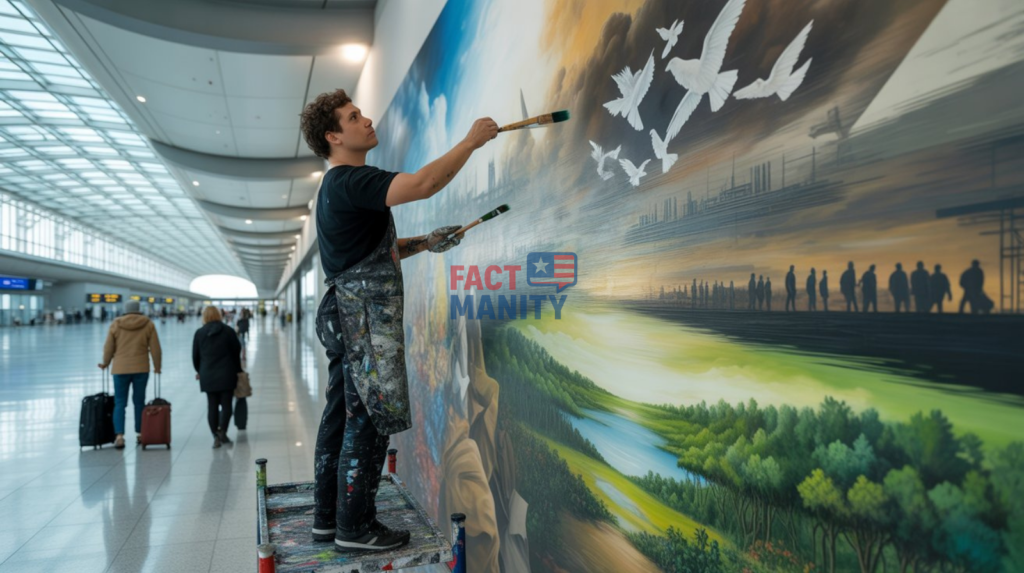
The most controversial murals at DIA were created by Chicano artist Leo Tanguma. According to public records and arts program documents, his works were commissioned as part of Denver’s “percent for art” initiative, which sets aside a portion of large public construction budgets for artwork.
Tanguma’s pieces, such as “Children of the World Dream of Peace” and “In Peace and Harmony with Nature,” were installed in the mid 1990s in the Jeppesen Terminal. Officially, the murals were meant to confront difficult topics like war, environmental destruction, and social injustice, while ultimately emphasizing global unity and peace.
Yet the way these subjects were depicted was anything but subtle. The bold colors, intense faces, and dramatic violence created a visual shock that many travelers did not expect in an airport setting. That surprise reaction helped sow early seeds of the Denver airport murals conspiracy narrative.
A Timeline of Rising Suspicion ⏳🕵️
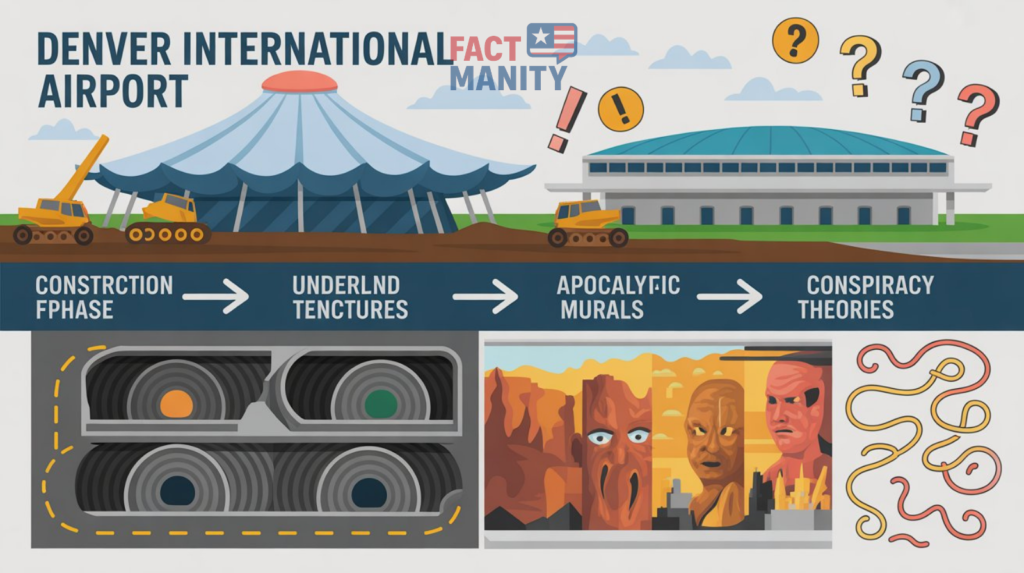
- Early 1990s – Denver International Airport is under construction, plagued by cost overruns and technical problems, including a failed automated baggage system.
- 1995 – DIA opens, and Leo Tanguma’s murals are installed and gradually gain public visibility.
- Late 1990s – Alternative media outlets and early internet forums begin circulating photos of the murals, questioning their violent and apocalyptic imagery.
- 2000s – As online conspiracy culture expands, the apocalyptic mural Denver airport narrative is folded into broader New World Order and underground bunker theories related to DIA’s construction and location.
- 2010s – Social media platforms amplify photos and videos of the murals, often stripped of context or artist commentary, driving millions of views and renewed debates about the murals’ meaning.
- Late 2010s to 2020s – The airport itself begins to lean into the rumors with tongue in cheek signs and PR campaigns, even as serious researchers keep trying to separate facts from hype.
Why the Murals Are So Strange 😨🖼️
For a busy American traveler, the contrast is stark. One moment you are rushing past a coffee shop to catch a flight. The next, you are face to face with imagery that looks like it belongs in a war museum or a dystopian graphic novel.
In one panel, a menacing figure in a gas mask and military uniform slashes through a rainbow with a sword, while terrified faces and ruined buildings fill the background. In another, children of many nations gather around lush plants, burying weapons under the watchful eyes of animals. The shift from horror to harmony can feel jarring if you are only catching quick glimpses between boarding calls.
This emotional whiplash is part of why the dia mural meaning has become so heavily debated. Without context, viewers often default to the most unsettling explanation their mind can conjure. In a culture already wary of secret programs and hidden agendas, the murals became a canvas for national anxieties.
Context of Government Programs and Continuity Planning 🏛️🗂️
To understand why the Denver airport murals conspiracy gained traction, it helps to look beyond the walls and into wider American history. Since the Cold War, the United States government has developed numerous continuity of government plans, many of them detailed in now declassified documents. These plans envision how to keep the federal government functioning after nuclear war or other national emergencies.
Facilities like the bunker at Cheyenne Mountain in Colorado, and the once secret complex at Raven Rock in Pennsylvania, are well documented. According to open source records and whistleblower style accounts over the decades, these sites were constructed with heavy security and deep underground infrastructure, often hidden in plain sight near regular military or civilian areas.
Similar fears have appeared throughout U.S. history, especially surrounding secret projects like Area 51.
It is within this context that some have speculated about DIA. Research suggests that the airport’s enormous underground tunnels, service areas, and maintenance facilities have often been conflated with the idea of a classified bunker. Intelligence agencies are frequently invoked in online discussions, although no verified documents directly tie DIA to any covert continuity facility.
Alleged Intelligence and Secret Society Links 👁️🔺
Some theories claim the murals were either influenced by or signaled to secretive groups, such as alleged New World Order planners or shadowy elites. These claims usually cite a combination of symbols, like a stone capstone at DIA referencing the “New World Airport Commission,” strange geometric layouts seen from above, and other art installations viewed as ominous.
However, publicly available evidence connecting the murals directly to intelligence agencies or undisclosed government programs is weak. Newspaper archives, local government records, and cultural grants point instead to a typical public art process. The “New World Airport Commission” reference, for example, has been explained by local officials as the name of a now defunct civic group involved in the airport’s opening festivities.
That said, the use of phrases like “New World” near already unsettling imagery has been enough for many to see patterns, especially in an era shaped by suspicions around the CIA, NSA surveillance programs, and historical operations like MK ULTRA that were acknowledged decades after they began.
Documents, Evidence & Credible Sources 📑🔍
When evaluating any alleged weird airport art conspiracy, it is critical to distinguish documented facts from amplified speculation.
- Public Art Records – City and airport documentation confirms that Leo Tanguma’s murals were funded through standard public art channels, not classified or intelligence related budgets.
- Artist Interviews – In multiple interviews over the years, Tanguma has explained that his work is a narrative that moves from war and environmental devastation toward peace, reconciliation, and ecological healing.
- Construction and Planning Files – While detailed blueprints of secure airport areas are not fully public for security reasons, there is no widely acknowledged declassified document linking DIA to a continuity of government site.
- Media Coverage – Local outlets like The Denver Post, along with national media, have repeatedly examined the conspiracy claims. Most pieces conclude that the murals are provocative but not part of a confirmed hidden program.
So far, no whistleblower has provided conclusive, verifiable evidence that the murals were designed under direction from intelligence agencies or secret government programs. The lack of such documentation does not prove the opposite, but it means the more extraordinary claims rest largely on interpretive symbolism and circumstantial connections.
Symbolism People Notice 🔎🕊️
Despite official explanations, the symbols within the murals continue to fuel online discussion.
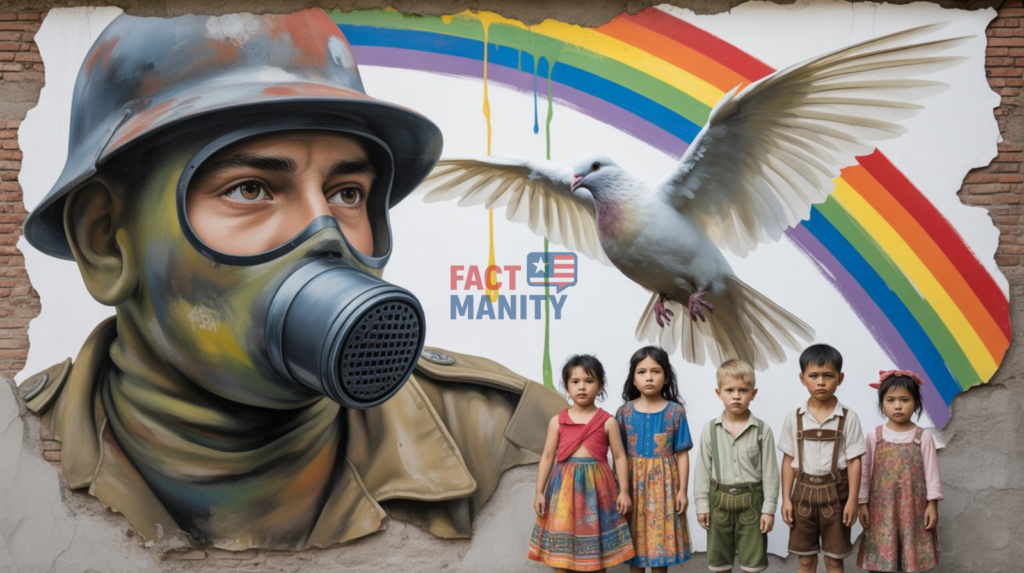
- The gas masked soldier often interpreted as a symbol of chemical or biological warfare.
- Children in national costumes seen as either a hopeful global unity image or as representatives of a controlled world order.
- Dead doves that twist the usual symbolism of peace into something violated or destroyed.
- Burning or ruined cities which some viewers see as predictive of future conflict or disaster.
The apocalyptic mural Denver airport visitors photograph most often appears to show humanity at a tipping point. Even if the artist’s intent is to highlight the pain of war to inspire peace, the visual language can easily be read as a forecast of what is to come rather than what we must avoid.
Symbolic imagery has long played a role in American. Check out Weird & Shocking Facts About America.
Theories vs Facts ⚖️🧠
Now, let’s read about the Denver airport conspiracy theories and facts.
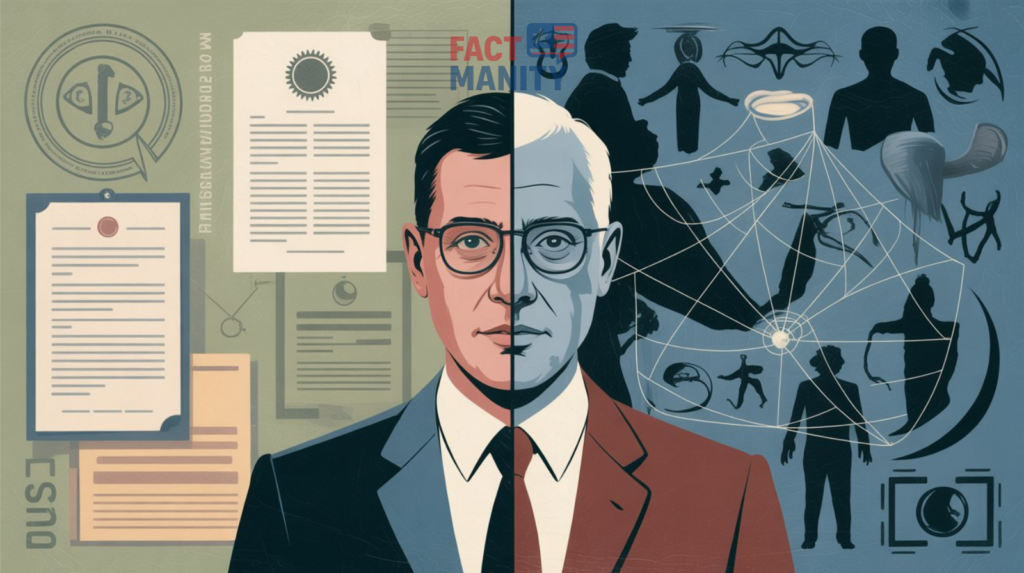
Common Theories
- The murals encode a timeline of global depopulation and authoritarian control.
- They are connected to underground bases beneath DIA tied to classified government programs.
- The imagery was allegedly directed by secret societies or elite planning groups.
- The murals symbolically link to known bunker locations, especially in Colorado.
Supported Facts
- The murals were commissioned as part of an official public art program.
- The artist has openly explained his themes as peace, unity, and ecology.
- No declassified document ties the murals to intelligence agencies.
- DIA has underground infrastructure typical of major airports.
Micro Stories From the Murals 📖👥
Micro Story 1: The Overnight Janitor
A janitor reportedly saw a passenger staring at the gas masked soldier mural for twenty minutes before quietly walking away. The story is unverified, but it reflects the emotional impact of the art.
Micro Story 2: The Child’s Question
A student once asked why the children in the “peaceful” mural looked sad, highlighting the emotional weight of the imagery.
Micro Story 3: The Frequent Flyer’s Journal
A traveler wrote that the murals felt like “classified documents in picture form,” despite admitting no proof.
Micro Story 4: The Airport Employee
An employee described the murals as reminders of what humanity must avoid becoming.
Micro Story 5: The Late Night Layover
A stranded traveler described the murals as creating a dystopian atmosphere that lingered long after leaving the airport.
Final Thoughts 🧠✨
Quick Facts About the Denver Airport Murals 📌
- Artist: Leo Tanguma
- Installed: Mid 1990s
- Location: Jeppesen Terminal and concourses
- Themes: War, peace, environmental renewal
- Controversy: Apocalyptic and control interpretations
- Evidence Status: No confirmed classified links
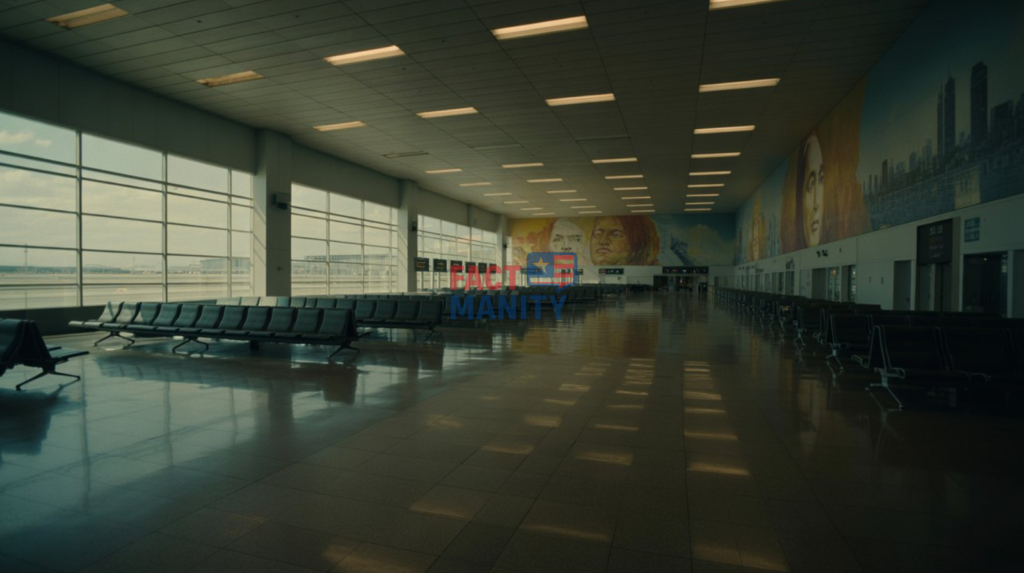
Final Thoughts on Art, Fear, and Mystery 🎭😱
Public art reflects the fears of its time. At Denver International Airport, those fears are magnified by disturbing imagery, secrecy myths, and America’s documented history of covert programs.
If hidden symbolism fascinates you, America is full of places that raise similar questions.
Right now, the balance of evidence supports the idea that the murals are provocative social commentary rather than coded instructions from hidden powers. Still, the mystery persists.
Think the Denver Airport Murals Conspiracy Is Just Art… or Something More?
Dive deeper into America’s most unsettling mysteries, hidden symbolism, and unexplained facts. Explore more conspiracy investigations and bizarre truths that most people never question… before your next flight takes off.
Disclaimer: This article is for informational and entertainment purposes only. It explores public theories, interpretations, and documented statements related to the Denver airport murals. It does not claim the existence of hidden agendas, secret societies, or classified government programs. All interpretations should be viewed critically and verified through official sources where possible.
FAQs
Are the Denver airport murals still there?
Yes, several of Leo Tanguma’s murals remain on display, though placement has shifted over time.
Did the government design the murals?
No verified evidence supports government or intelligence agency design control.
What is the official meaning?
The murals depict war and destruction contrasted with peace and healing.
Why are they seen as apocalyptic?
The imagery resembles dystopian and war scenes combined with existing rumors.
Is there proof of an underground base?
No verified evidence confirms a secret base beneath DIA.
Have whistleblowers confirmed a conspiracy?
No credible whistleblower has provided verifiable proof.
Why does the airport joke about conspiracies?
DIA uses humor to engage curiosity, though it deepens mystery for some.
[…] and public spaces sometimes spark mystery and speculation, you might also like our guide to the Creepy Denver Airport Murals and the hidden meanings people believe they […]
[…] to how speculation grew around the Denver Airport murals conspiracy, the White Plains story shows how gaps in official records can fuel long-lasting local […]