

🌺 Welcome to Paradise… With Surprisingly Weird Laws in Hawaii
Hawaii isn’t just about sunsets, surfboards, and shaved ice… it’s also home to some of the most bizarre, confusing, and surprisingly real laws in the United States. From rooster-related chaos to strict beach behavior rules, these aren’t just internet myths. Many are rooted in real legal frameworks that still exist today.
Now, if you’re the kind of person who loves uncovering strange facts, unexpected rules, and “wait… that’s actually illegal?” moments, you’re exactly who this article is for. Whether you’re a curious traveler, trivia lover, or someone planning a Hawaiian getaway, understanding these weird laws in Hawaii could save you from an awkward (and potentially expensive) mistake.
If you enjoy discovering bizarre legal rules across the U.S., don’t miss our breakdown of weird laws in Pennsylvania that might surprise you.
Because here’s the truth: in Hawaii, even paradise comes with rules… and some of them are hilariously unexpected.
🔥 Key Takeaways
- 🌺 Hawaii has some of the weirdest laws in the U.S. — and yes, many of them are still technically enforceable.
- 🐔 Rooster-related rules aren’t a joke — they tie into noise control, agriculture, and local culture.
- ⚖️ Many strange laws are actually rooted in history, conservation, and community balance.
- 🏝️ Tourists can easily break rules without realizing it — especially around beaches, rentals, and protected areas.
- 📜 Even outdated laws can still apply — so ignoring them completely is never a smart move.
- 🎯 Knowing these laws isn’t just fun trivia — it can actually save you from fines or awkward situations.
Table of Contents
📊 Quick Breakdown: Weird Laws in Hawaii at a Glance
| Law Type | Weird Example | Why It Exists |
|---|---|---|
| Animal Regulation | No roosters cock-a-doodling in neighborhoods | Noise and local nuisance control |
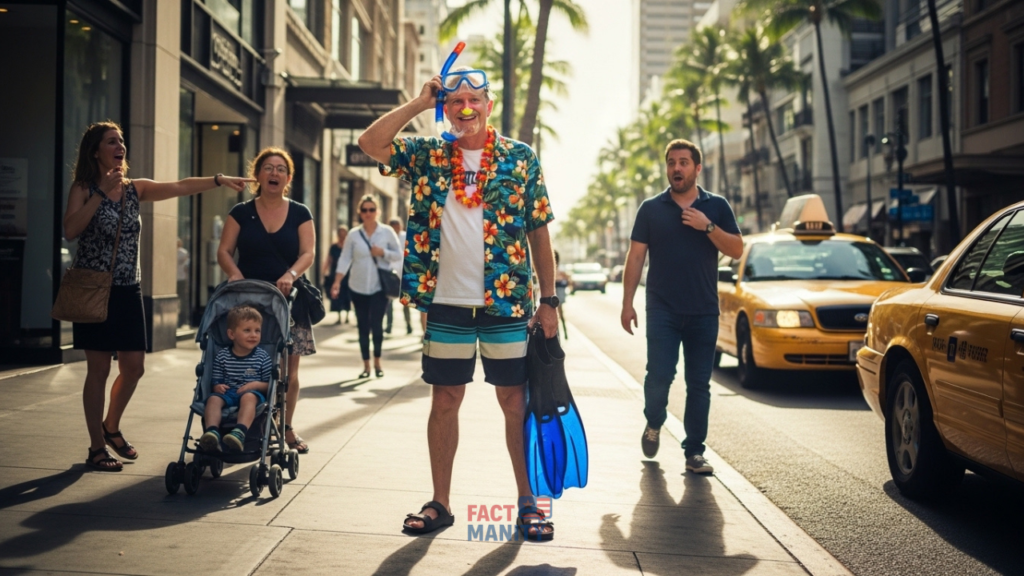
| Public Safety | No snorkeling in public sidewalks (okay, not literally) | Prevent danger and weirdness |
Quick Answer: Yes, Hawaii has a stack of weird laws that range from quirky leftover statutes to sensible protections disguised as absurdity. Most are rarely enforced, but they reveal a blend of history, conservation, and community control that’s oddly charming.
🤯 The Most Bizarre Legal Rules in Hawaii You Won’t Believe

🐔 Roosters Rule the Streets (Literally)
Let’s start with the bird that keeps Hawaii awake: the rooster. On some Hawaiian islands, roosters are technically protected under certain local rules when they are considered part of agricultural property. That means you can’t just go around injuring, killing, or indiscriminately removing them without consequences.
Yes, this produces the daily soundtrack of crowing that blends with surf reports. Some neighborhoods treat roosters as living alarm clocks and quasi-celebrities. In areas where cockfighting was once common, laws shifted toward protecting fowl while cracking down on gambling and cruelty.
🐾 Feeding Strays Can Get Complicated Fast

Then there’s the feral cat and dog situation. Local ordinances and state statutes aim to control populations, but the enforcement can be a patchwork. Some counties have rules about feeding feral animals believe it or not because unlimited feeding can create public-health issues and neighborhood tensions.
Example: a homeowner complains about dozens of cats living in a vacant lot. The county steps in, citing public-nuisance provisions, not a vendetta against cute whiskers.
Moral: feeding strays can be heartfelt, but it can also get municipal.
🏛️ Old-School Laws That Still Haunt Hawaii

📦 Strange Import Rules From the Past
Dig into the statute books and you’ll find relics that read like costume dramas. There are old regulations about shipping certain goods and prohibitions that made sense during the plantation era. For example, laws that protected freshwater sources or regulated glass imports back when shipping was a logistical nightmare.
These survive mostly as remnants. A law about glass or import controls might have been updated, but the language still reads like someone who uses a monocle when writing checks.
Some of these outdated rules feel just as strange as those found in our guide to weird laws in Texas that still exist today.
🏝️ Cultural Symbols Are Protected (Seriously)
Hawaii protects cultural symbols vigorously. You won’t be fined for humming a song wrong, but there are statutes around land use, sacred sites, and cultural practices that carry real penalties if you ignore them. These laws reflect the state’s effort to preserve Hawaiian culture and sacred places… not an attempt to police aloha karaoke.
🚨 Public Behavior Laws That Feel Almost Unreal
🏖️ Beach Rules: Not as Chill as You Think
Hawaii’s beaches are legendary, but they’re not a free-for-all. Indecent exposure laws are similar to mainland statutes, but context matters: lei placement, ceremonial dress, and expression tied to cultural practices are treated with nuance. You can’t just show up to a shoreline drum circle and assume exotic immunity.
Pro tip: if your ritual involves cutting a coconut and reciting a chant, check local permits. Officials are usually reasonable, but rules exist to balance celebration and public order.
🚗 Driving + Distractions = Legal Trouble
This one sounds made up but is rooted in safety: laws about distracted driving and obstructing traffic can be broad. So if you’re balancing a ukulele on your dashboard while trying to feed a poke bowl into your mouth and driving, the law will call that “reckless.”
More mundane examples: parking rules near beaches and iwi kupuna (burial sites) are strictly enforced. The goal isn’t to ruin your vacation, it’s to prevent disrespect and damage to sacred ground.
Public behavior laws vary wildly. For example, check out these strange laws in Indiana that tourists often ignore.
🏠 Property & Rental Laws That Surprise Tourists
🏡 Vacation Rentals Are Strictly Controlled

Short-term rental regulations in Hawaii are famously strict in some areas. Certain counties require permits, occupancy limits, and safety measures. Why? To prevent neighborhoods from being slowly eaten by transient guests and to protect housing stock.
Real example: an Airbnb host on Oahu faced fines for advertising a property that lacked a proper permit. That sparked a community debate about housing vs. tourism… a very 21st-century legal tangle.
👉 Short-term rental rules vary widely… check the Honolulu government’s official page on vacation rental regulations before booking.
🌊 Ocean, Surf & Fishing Rules You Must Respect

Marine and coastal laws can be surprisingly specific. There are rules about fishing seasons, protected reef zones, and surf etiquette that have legal backing. In some places you need a license for certain catches… in others, fines apply if you damage coral.
Local surfers will tell you the law and the code of respect are two different light sabers… both useful if you value your limbs and your reputation.
👉 To better understand marine protections, review the official Hawaii Division of Aquatic Resources guidelines on reef and fishing laws.
😵 WTF Law: When a Hedge Becomes a Legal Battle

Here’s the one that made legal interns snort coffee: at various points, there were statutes about maintaining certain hedges and trees so that property lines and sightlines were clear. Not riveting until you realize some cases were prosecuted because one neighbor’s hibiscus allegedly blocked a view of a sunset. Yes, the sunset.
It’s a classic: community aesthetics meets petty vendetta, and the court is left to decide whose view of heaven is legally more valuable. No winners, just very angry flora.
📖 Real-Life Mini Stories That Sound Made Up
1) A tourist in Maui once tried to take coconuts from a roadside grove thinking they were “public”, the police explained, gently, that coconut theft is still theft. The tourist spent the afternoon learning about property lines and how not to be an Instagram villain.
2) A local band got cited for an amplified beach show without a permit. The punchline: they kept playing while the officer scribbled the ticket, and the entire beach clapped for the cop when he finally asked them to unplug.
3) Someone tried to register a roosting rooster as an emotional support animal. The court laughed, then explained legal definitions of pets versus livestock, and the rooster strutted off wearing no vest but with added dignity.
4) In a small-town municipal hearing, a dispute over a yard statue of a mermaid escalated to zoning code interpretation. The outcome: the mermaid stayed, but the statue had to move one inch to the left. The neighbors declared victory.
⚡ Quick Facts You Shouldn’t Ignore
- Rooster noise can be regulated like any other noise nuisance in certain counties.
- Many odd laws are historical remnants from plantation or territorial times.
- Conservation laws in Hawaii often carry serious penalties to protect reefs and sacred sites.
- Short-term rental rules vary greatly by county; always check local ordinances.
💭 Final Thoughts: Hawaii’s Laws Are Weird… But Meaningful!
Hawaii’s legal landscape is a deliciously weird mix of conservation, culture, colonial history, and everyday community management. Some laws read like surreal comedy sketches; others are the backbone of protecting fragile ecosystems and cultural heritage.
Before you pack your bags for Hawaii, remember this: paradise isn’t lawless… it just hides its rules behind palm trees and ocean views. 🌴
👉 For official legal references, you can explore the Hawaii state law database for updated statutes and regulations
A little awareness goes a long way. Whether it’s respecting wildlife, following beach regulations, or avoiding rental violations, knowing these weird laws in Hawaii can save you from fines, embarrassment, or ruining your dream vacation.
If you enjoyed this article based on weird laws in Hawaii, explore more in our “Weird Laws in Every State” series, You’ll be shocked at what’s legal (and illegal) across America.
And hey… next time you hear a rooster at sunrise in Hawaii, just know, the law might actually be on its side. 🐔
FAQs ❓
Are weird laws in Hawaii actually enforced or just myths? 🤔
Not all weird laws in Hawaii are actively enforced, but many are still legally valid. Enforcement usually depends on the situation, location, and impact. For example, rooster noise might be ignored in rural areas but enforced in residential zones. However, laws related to safety, wildlife protection, and property are taken seriously… especially when tourists are involved.
2. What are the most important Hawaii laws tourists should know? 🌴
Tourists should focus on laws around beach behavior, protected nature (like coral reefs), property boundaries, and short-term rentals. Taking natural items, trespassing on sacred land, or booking illegal vacation rentals can lead to fines. These rules may seem strict, but they’re designed to protect Hawaii’s culture and environment.
Can I get fined for doing something that seems harmless in Hawaii? 💸
Yes and that’s where most visitors get caught off guard. Something as simple as feeding stray animals, parking near restricted areas, or ignoring local signage can result in penalties. Many “harmless” actions fall under broader laws like public nuisance, environmental protection, or trespassing.
Why does Hawaii have so many strange or outdated laws? 📜
Many weird laws in Hawaii come from its plantation-era history, territorial governance, and evolving cultural protections. Some laws were never fully removed but still exist in legal code. Others may sound strange today but originally served practical purposes like managing imports, agriculture, or public order.
Are there laws in Hawaii that protect culture and traditions? 🏝️
Absolutely. Hawaii has strong legal protections for sacred sites, burial grounds (iwi kupuna), and cultural practices. Violating these laws even unknowingly can result in serious consequences. Respecting local customs isn’t just polite, it’s often legally required.
Is it illegal to take things like sand, rocks, or coral from Hawaii beaches?
Yes, in many cases it is illegal or restricted. Removing natural resources especially coral or rocks from protected areas can lead to fines. These laws exist to preserve Hawaii’s fragile ecosystems and maintain the natural beauty of the islands.
How can I check if a law applies to me while visiting Hawaii? 🔍
The safest way is to check official county or state websites before your trip. You can also ask hotel staff, local guides, or visitor centers. When in doubt, follow posted signs and respect boundaries… it’s always better to be cautious than accidentally break a law.
Disclaimer: This article is for informational and entertainment purposes only and does not constitute legal advice. Laws and ordinances can change over time and may vary by city or county. Always consult official state statutes, local municipal codes, or a qualified attorney for the most accurate and up-to-date legal guidance.