

😎 Introduction
Let’s be honest… when people think of New Hampshire, they imagine mountains, maple syrup, and peaceful New England charm. What they don’t imagine? A legal code that sometimes reads like it was written during a town meeting that went on way too long.
The weird laws in New Hampshire aren’t just internet myths. Some were created when horses were traffic, church bells were alarms, and livestock disputes were serious political drama. Others reflect small-town attempts to keep order… sometimes a little too enthusiastically.
Before you laugh at the idea of chicken permits and unicycle restrictions, remember: some of these statutes still technically exist. And in a state that values independence, that irony hits a little differently.
If you thought the weird laws in Nevada were strange, New Hampshire’s small-town ordinances take absurdity in a completely different direction.
🔥 Key Takeaways
- ✔️ Many weird laws in New Hampshire are historical leftovers from the horse-and-carriage era.
- ✔️ Local town ordinances, not just state statutes… create the strangest restrictions.
- ✔️ Animal permits, noise rules, and parade regulations reflect real past disputes.
- ✔️ Most outdated laws are rarely enforced unless someone files a complaint.
- ✔️ These laws reveal how small-town governance shaped modern New Hampshire culture.
Table of Contents
😉 Quick Reference Table: Weird Laws in New Hampshire
| Category | Example | Why It’s Ridiculous |
|---|---|---|
| Animal Rules | Chickens and unhitched animals | Because apparently they vote on zoning |
| Traffic & Vehicles | No riding a bicycle and gun together | Safety? Decorum? Old-timey paranoia? |
| Public Decorum | Lawn ornaments regulation | Artistic expression meets municipal bureaucracy |
Quick Answer: Yes, New Hampshire has a collection of statutes that’ll make you laugh and squint. Many are historical leftovers, but some “new Hampshire dumb laws” still have teeth if you step on them. So don’t start a chicken parade on Main Street without checking town bylaws.
🐔 Unbelievable Weird Laws in New Hampshire You’ll Only Find Here
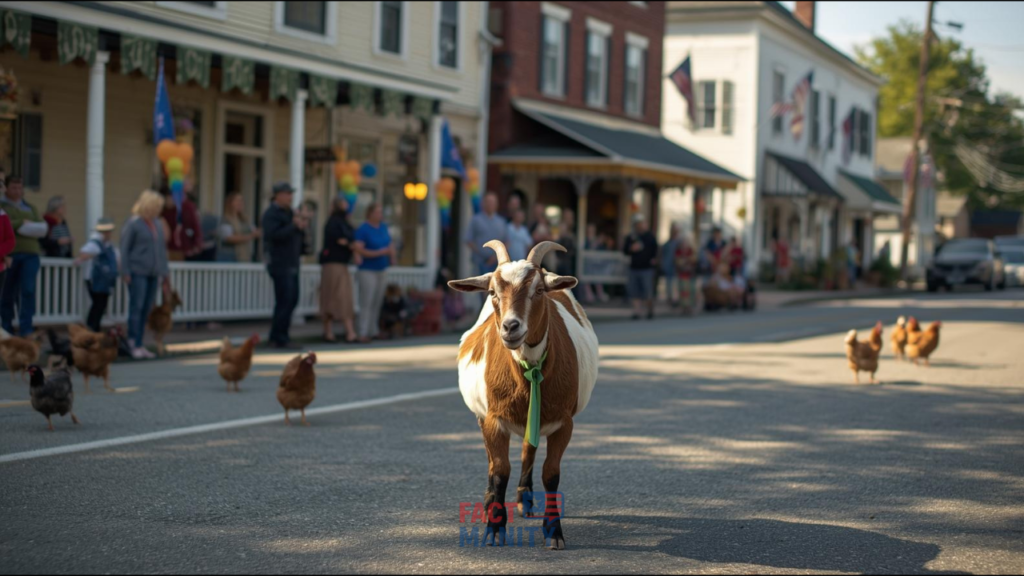
🐐 Chickens, Goats & the Art of Animal Etiquette
If you picture New Hampshire as a state of scenic mountains and artisanal maple syrup, add a chorus of municipal ordinances about livestock. In some towns, you can’t let your animals wander like Disney extras. One tiny New England village once fined a resident for allowing a goat to attend a parade without a permit. That sounds made up. It is not.
👉 For local ordinance guidance, the New Hampshire Municipal Association provides resources for residents and policymakers.
Real example: certain towns require registration for livestock or only allow animals on residential property with a specific permit. That’s not for the animal’s benefit… it’s for neighborly sanity.
🔔 Noisy Neighbors & Old-Time Public Disturbance Rules
There are statutes that read like medieval etiquette: limits on horns, bells, and instruments that create public disturbance. In the Victorian era, church bells and town criers mattered. Today they’re the sort of laws that stay dormant until someone learns they exist and decides to be dramatic.
🐎 Laws That Make You Say “Wait… Really?”
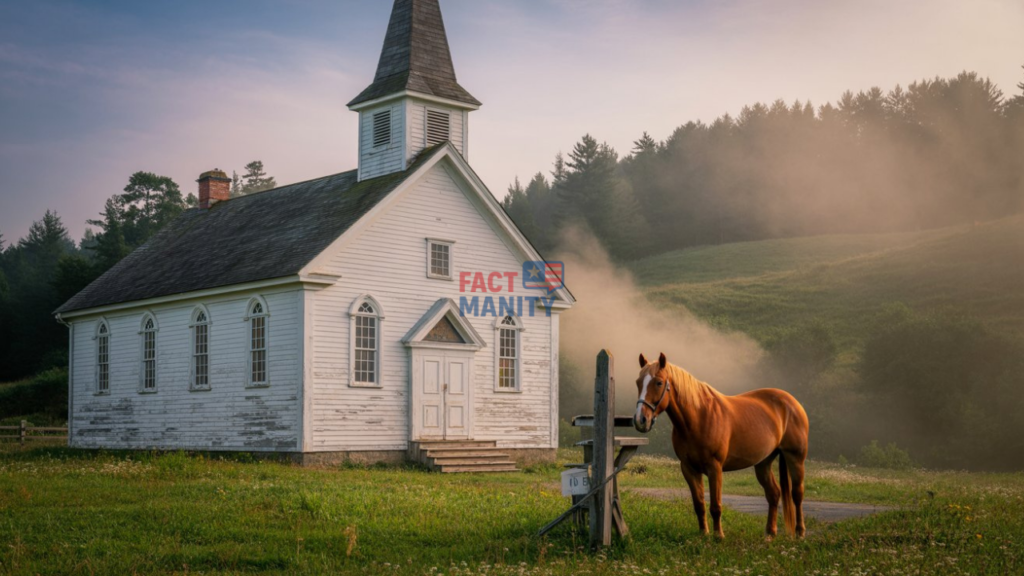
⛪ No Riding a Horse Into Church (Yes, Seriously)
Yes, in some corners of New Hampshire it has been illegal to ride a horse into a church. Why? Primarily a matter of practical respect and no one wanted a hoofed interruption during a sermon. Still, it’s simultaneously hilarious and oddly sensible if you’ve ever seen a horse startled by a hymn.
🚗 Odd Vehicle & Firearm Rules from Another Era
New Hampshire has historically had oddly specific traffic regulations. For instance, there are old laws about shooting firearms from vehicles that were crafted in a pre-seatbelt era. The moral: weapons and mobility don’t mix… except in the 1800s when hunting from a wagon was a survival strategy.
Fun fact: the concept of “open carry” mixed with horse-owning hunting communities created a patchwork of rules that are now relics but still survive on paper as cautionary tales.
🎪 Outdated Laws Still Lurking in the Code

🎡 Unicycles, Music Permits & Small-Town Order
There have been ordinances targeting unicycles and amplified music during certain hours. Imagine town meetings where the main speaker petitions to ban circus stunts downtown. You can almost hear the gavel: “Order! No unicycles after 9pm.”
Similar forgotten statutes appear in our breakdown of weird laws in Montana.
These laws often reflected a small-town desire to maintain public order as towns transitioned from mercantile centers to sleepy suburbs. The vestiges remain like old wallpaper: decorative, but a little haunted.
🏡 Lawn Ornament Rules That Sparked Municipal Drama
Local governments occasionally regulate what you put on your front lawn. Flamingos? Maybe. A three-foot statue of a sea monster? Possibly. If your neighbor’s garden décor sparks municipal ire, it’s often because bylaws prioritize uniform appearance… then history laughs at the nosy clause.
👉 Many New Hampshire town-level ordinances are archived and searchable through the Municode Library.
🤯 WTF Moment: When Wagons Became a Parking Violation

Here’s the micro-moment that makes people hit their phones and scream “WTF”: some statutes were written when horses were daily transportation, and they still list animals by name as traffic impediments. Documents speak of “carriages” and “suitable harnesses” like a legal time capsule. Once, a man was technically violating a decades-old ordinance by parking a wagon in a modern lot. The ticket? Dropped, after mass bewilderment.
📖 Micro-Stories That Sound Fake (But Aren’t)
Story 1:
A tourist brought a goat to a food festival as a “guide goat” for a friend who claimed temporary disability. The goat caused three vendors to collapse laughing and one vendor to insist on a permit. The day ended with a selfie, a municipal citation, and a new town legend.
Story 2:
A man tried to protest a zoning decision by dressing as a giant lobster and rolling a unicycle into the council meeting. He was asked to leave under a noise ordinance. Moral: creative protests require permits or at least a sense of timing.
Story 3:
A local bakery once received a warning for playing live music too loudly because the town ordinance mentioned “public serenade” and declared it a disturbance if not registered. The band switched to silent disco headphones and kept baking… victory through ingenuity.
Story 4:
A family inherited a Victorian home with an antique chicken coop. They let a few hens roam… suddenly, a neighbor threatened legal action citing an old ordinance about nuisance fowl. The solution was neighbor mediation, cold cider, and the hens being trained to wear tiny felt hats. The law? Not enforced.
✨ Quick Facts
- Most weird laws are leftovers from a different era… before cars, before electricity, and sometimes before indoor plumbing.
- Enforcement is key: Many laws exist but are rarely enforced unless they collide with a complaint.
- Local vs state: Town ordinances often create the most eyebrow-raising rules, not the state legislature.
- Examples persist: You’ll find rules about animals, musical instruments, and unusual public behavior across New Hampshire towns.
- History explains a lot: These laws often solved real problems at the time they were written.
Explore some of the weird laws in Kentucky’s state. You can also compare how each state handles historical oddities.
💭 Final Thoughts
New Hampshire’s catalog of odd statutes is a delightful mix of genuine municipal governance and historical eccentricity. While many of these rules are more trivia than terror, they reveal how communities evolved and what they valued.
Whether you call them weird laws in New Hampshire or charming legal artifacts, they make for great cocktail talk and excellent cautionary tales if you ever decide to organize a goat flash mob.
Before you plan that goat parade or late-night drum circle, double-check the bylaws.
If you enjoyed uncovering these weird laws in New Hampshire, explore the rest of our state-by-state series and see how your state compares. Share this with someone who loves quirky American trivia and next time you visit New England, you’ll have more than maple syrup stories to tell.
Disclaimer: This article is for informational and entertainment purposes only and does not constitute legal advice. Laws and ordinances can change over time and may vary by city or county. Always consult official state statutes, local municipal codes, or a qualified attorney for the most accurate and up-to-date legal guidance.
FAQs❓
Are weird laws in New Hampshire still legally active?
Some are technically still part of the state or municipal code. However, enforcement typically depends on local authorities and whether a complaint is filed. Many remain as historical artifacts rather than actively policed rules.
Why does New Hampshire have so many animal-related laws?
New Hampshire’s rural heritage meant livestock and animals were once part of daily life. Regulations evolved to prevent disputes between neighbors, control sanitation issues, and maintain public order during town events.
Can local towns create their own strange laws?
Yes. Municipalities in New Hampshire have authority to pass local ordinances. That’s why some of the strangest rules exist at the town level rather than in statewide statutes.
Where can I verify if a law is still enforceable?
Check the official New Hampshire General Court website for state laws and your town’s municipal website for local ordinances. When unsure, contacting the town clerk is often the fastest way to get clarification.
👉 You can verify active state statutes directly through the New Hampshire General Court’s official website.
Do tourists need to worry about breaking odd laws?
Generally, no. Most visitors won’t encounter outdated statutes unless engaging in unusual public behavior. Common sense and respecting local signage usually prevent any issues.
What do these strange laws say about history?
They reveal how communities responded to real challenges… from livestock disputes to noise concerns. Over time, some laws remained even after the original problem disappeared.
Can citizens remove outdated laws?
Yes. Residents can petition local councils or contact state representatives to propose repeals. Law reform often requires public engagement and formal legislative processes.
[…] York is just one example of the weird laws across the United States that continue to surprise people […]