

🍁 Welcome to Vermont’s World of Weird Laws
Vermont might look like the definition of peaceful, quiet towns, maple syrup farms, and scenic roads that feel straight out of a postcard. But once you dig a little deeper, you’ll realize something unexpected… This calm, charming state has a surprisingly weird legal side. Let’s discuss some of the weird laws in Vermont in this article.
We’re talking about laws that make you pause mid-sentence and go, “Wait… that’s actually a thing?” From old-school rules shaped by horse traffic and farming life to modern-day regulations that feel oddly specific, Vermont’s legal system is full of quirks that blur the line between practical and downright bizarre.
Now, if you’re someone who loves uncovering strange facts, unusual rules, and those “this can’t be real” moments, this is exactly your kind of content. Whether you’re a curious reader, a trivia lover, or someone planning a visit to Vermont, these weird laws aren’t just entertaining… they’re surprisingly useful to know.
If you enjoy discovering strange legal quirks across America, check out our guide on weird laws in South Carolina that might surprise you.
Because here’s the truth: in a place like Vermont, even a harmless prank, a late-night noise, or a small misunderstanding can turn into a legal situation faster than you’d expect. And that’s what makes exploring these weird laws in Vermont so fascinating. They’re not just funny… they actually mean something.
🔥 Key Takeaways
- 🍁 Vermont is packed with weird laws rooted in history — especially from its farming and horse-driven past.
- 📜 Many “strange” rules are actually outdated or symbolic, but they still exist in legal records.
- ⚖️ Laws about pranks, noise, and public behavior are very real and actively enforced.
- 🐎 Old transportation and agriculture laws may sound funny today, but they once served practical community needs.
- 🤯 Some viral “laws” are actually myths or exaggerations — context matters more than headlines.
- 🎯 Understanding these laws can help you avoid trouble — and give you great trivia for your next conversation.
Table of Contents
📊 Quick Snapshot: Vermont’s Strangest Laws at a Glance
| Law | What It Says |
|---|---|
| No playing music loudly after midnight | Local ordinances often ban excessive noise during quiet hours. |
| No faking a funeral for a prank | Making false claims related to death can be prosecuted. |
Quick Answer: Yes, Vermont is home to a surprising collection of oddball statutes and historical relics that sound like jokes but are real… sort of. Most of these laws are either symbolic, rarely enforced, or interpreted differently today.
🤯 Strange and Funny Laws from Vermont You Won’t Expect
🏪 Old Licensing Rules That Feel Overly Specific
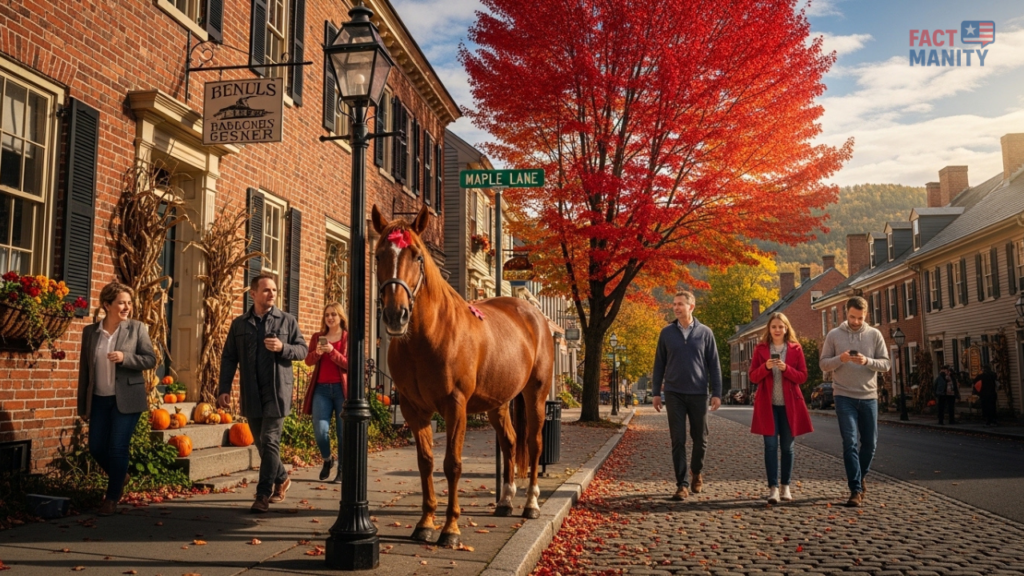
Some of Vermont’s older laws deal with commerce in ways that feel quaintly specific. Licensing codes historically regulated who could sell what and where. Imagine a town ordinance so picky it specified the width of a soap bar allowed for sale… okay, slight exaggeration, but the vibe is accurate.
🐎 When Horses Were Traffic (And Laws Were Built Around Them)
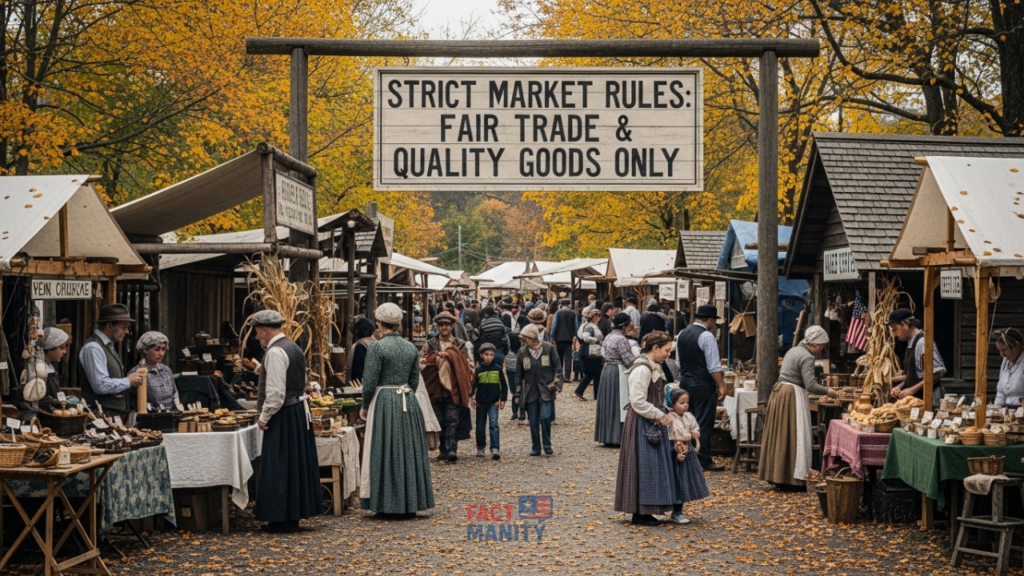
Back in the day, horses were traffic. A number of statutes addressed animal behavior on roads, sidewalks, and bridges. While modern law updates have repealed many of these rules, you’ll still find nuggets about animal control that sound like a line from a Western film.
🏛️ Historical Laws That Still Raise Eyebrows Today
🍎 Agriculture, Maple Syrup & Market Control Laws
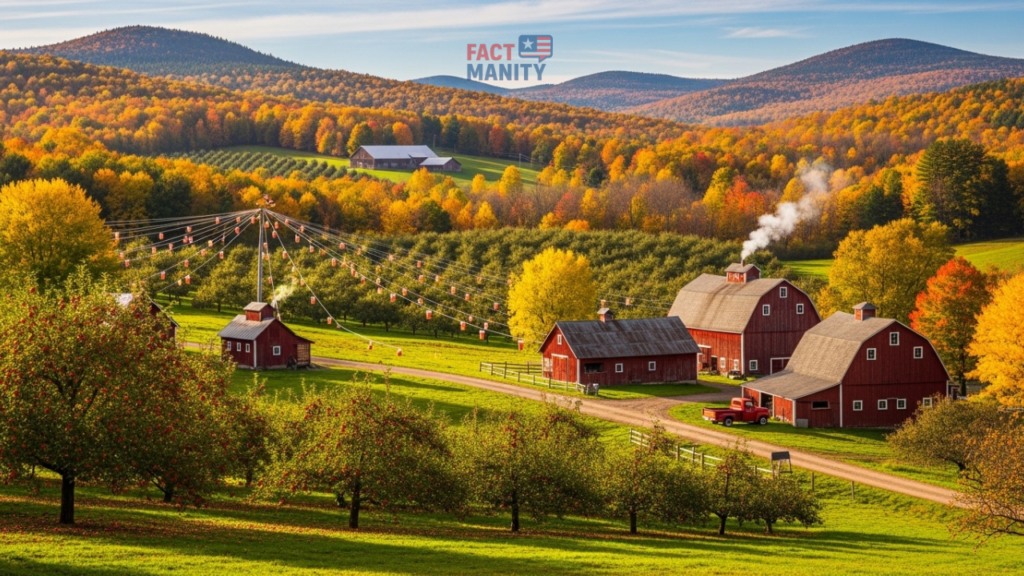
Vermont’s agricultural past gave rise to rules about orchards, livestock, and farm produce. For example, old laws restricted how you could harvest or transport farm goods to protect markets and prevent fraud. These rules now look like they belong in a museum labeled “When Cider Was Serious Business.”
Some of these old statutes feel just as bizarre as those covered in our article on weird laws in Pennsylvania that still exist today.
🚨 Anti-Prank Laws That Are More Serious Than You Think

Some “dumb laws in Vermont” are actually anti-mischief measures. Making false emergency reports, staging fake funerals, or pretending disasters have occurred can land you in legal trouble. These laws guard against chaos… prank culture meets public safety.
👉 To understand how prank-related laws are applied, review the Vermont Judiciary guidelines on public safety and legal offenses.
🚧 Modern-Day Laws That People Misunderstand
🎩 Clothing Myths vs Real Legal Rules
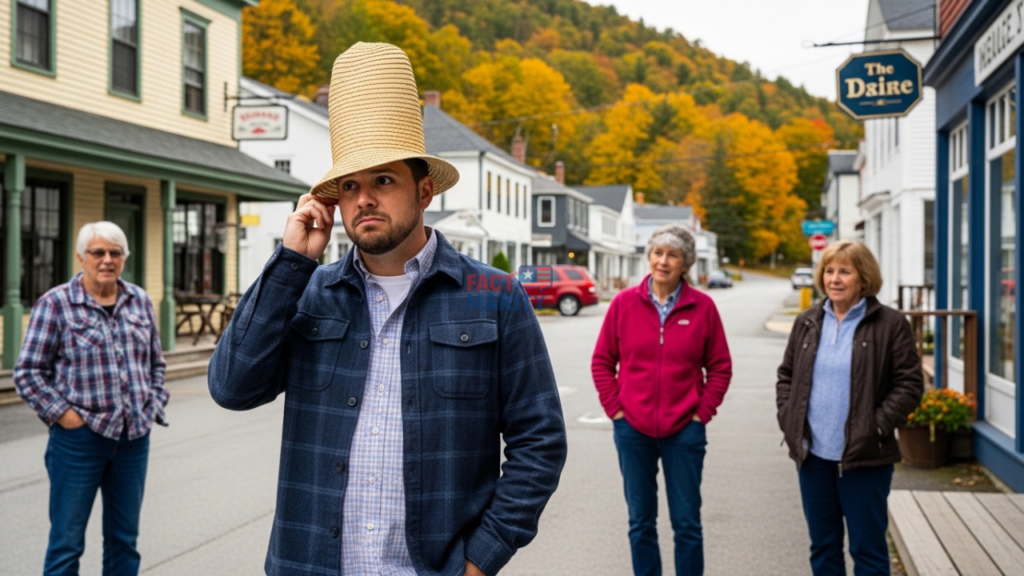
Online lists occasionally claim bizarre punishments for sartorial sins. Most of the time, these are misreads of statutes or outdated municipal codes. Vermont does have local regulations about obstructive attire in certain contexts… think safety, not style policing.
Misunderstood laws are common, for example, take a look at these strange laws in Massachusetts that people often get wrong
🔊 Noise Complaints & Small-Town Enforcement Power
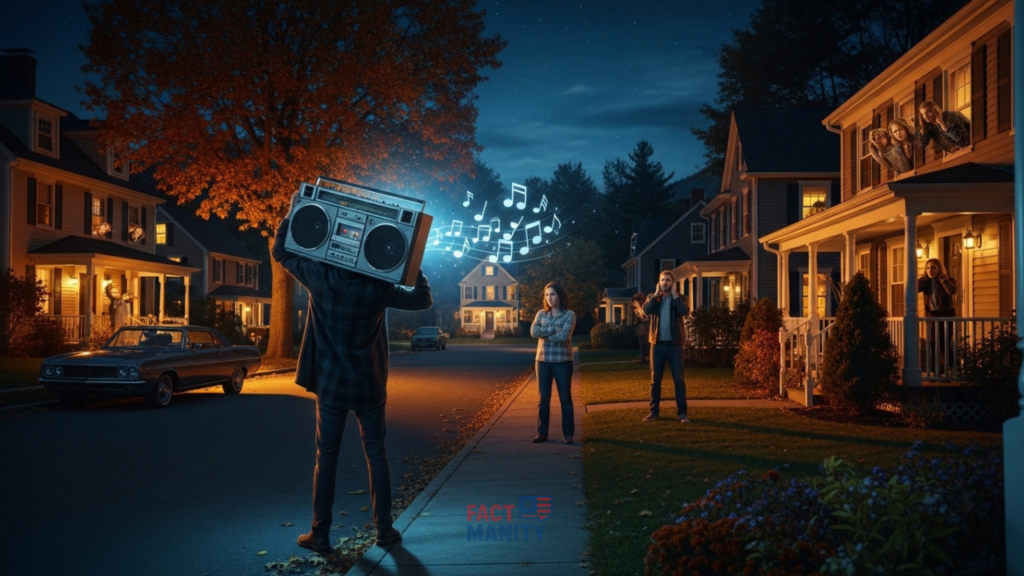
Many weird laws that people cite fall under the umbrella of noise and nuisance ordinances. Towns can and will regulate loud activities, odorous businesses, and other disruptions… especially in small communities where neighbors can hear a pin drop (or a banjo).
👉 Local rules can vary, so it’s helpful to check municipal noise ordinance examples from Vermont town offices before planning events
😵 WTF Moment: Myth vs Reality in Vermont Laws

Here’s where it gets deliciously weird: some rules become urban legends. A once-funny anecdote about a law restricting “frogs from singing at night” may morph into a “literal law” on listicles. The truth is usually less amphibious but still absurd.
📖 Real-Life Micro Stories from Vermont Courts
1. A farmer in Addison County once petitioned the town to ban a neighbor’s rooster after it crowed at 2 a.m. The rooster lost the case in the court of public opinion but inspired a clarifying ordinance on early-morning noise.
2. In a Montpelier courtroom, a prankster learned the hard way that pretending to die to get out of jury duty is both disrespectful and illegal. The judge did not laugh. The moral: don’t try to out-weird the law.
3. A small-town debate over whether to allow a “circus animal exhibit” led to surprisingly specific rules about the size of cages on temporary permits. The circus people were very offended… the council was very pleased with their newfound power over tent dimensions.
4. A local ordinance once required that snow not be piled on certain sidewalks because it blocked mail carriers. Today it’s a pragmatic rule about accessibility, but it reads like a micro-dictatorship of shoveled paths.
⚡ Quick Facts About Weird Laws in Vermont
- Many odd laws are local: Town charters and local ordinances often contain the quirks people share online.
- Some are relics: Statutes written for horse-drawn carriages or pre-electric lighting sometimes remain technically valid until repealed.
- Enforcement matters: A law on the books is not the same as a law enforced with zeal.
- Interpretation is key: Courts and prosecutors apply common-sense readings, not comedic literalism.
- Folklore amplifies: Locals love to tell a juicy law-story, which then becomes viral and slightly less accurate.
💭 Final Thoughts: Funny on the Surface, Logical at the Core
If you came for laughs, Vermont delivers. If you came for legal wisdom, you’ll find it too tucked between mule-era statutes and good-old-fashioned neighborly complaints. The best approach is a combination of healthy skepticism, a sense of humor, and respect for local ordinances. When in doubt, ask a town clerk instead of trusting the internet or your cousin’s wildly confident Facebook post.
Vermont may look quiet and simple, but its laws tell a much deeper and sometimes weirder… story.
👉 For accurate and updated legal information, you can browse the official Vermont state statutes database online.
Behind every strange rule is a mix of history, practicality, and small-town life trying to keep things running smoothly. So whether you’re visiting, researching, or just feeding your curiosity, understanding these weird laws in Vermont can save you from confusion (or an awkward situation).
If you enjoyed this, explore our full “Weird Laws in Every U.S. State” series… you’ll be amazed at how different (and strange) laws can get across the country.
And remember… in Vermont, even a simple prank or late-night noise might be more serious than it sounds. 😄
FAQs ❓
Are weird laws in Vermont still enforced today? 🤔
Most weird laws in Vermont are not enforced in their original form, but that doesn’t mean they’re irrelevant. Many have evolved into modern versions like noise ordinances, public nuisance laws, and safety regulations. If your actions disturb others or violate local rules, you can still face fines… even if the law sounds outdated.
What are the most important Vermont laws tourists should know? 🍁
Tourists should pay attention to noise rules, property boundaries, prank-related laws, and local ordinances. Vermont towns take community peace seriously, so loud activities late at night or disruptive behavior can lead to penalties. Respecting small-town norms is key to staying trouble-free
Can you get in trouble for pranks in Vermont? 🚨
Yes, and this is one area where people often underestimate the law. Pranks that involve false emergencies, fake deaths, or misleading authorities can lead to serious legal consequences. What seems funny online can quickly become a criminal offense under public safety laws
Why does Vermont have so many strange or outdated laws? 📜
Many weird laws in Vermont date back to its agricultural and rural past, when communities needed strict rules for livestock, trade, and daily life. Over time, these laws weren’t always removed… so they remain as historical artifacts, even if rarely used today.
Are viral “weird laws” about Vermont always true? 🧠
Not always. Many viral lists exaggerate or misinterpret real laws. Some are based on outdated statutes, local ordinances, or complete myths. That’s why it’s important to verify information through official state or municipal sources rather than relying on social media.
Can I be fined for something that sounds harmless in Vermont? 💸
Yes, especially if it falls under noise complaints, nuisance behavior, or safety concerns. Something that seems harmless like loud music or blocking sidewalks can violate local ordinances. In Vermont’s close-knit communities, even small disruptions are taken seriously.
How can I check if a Vermont law applies to me? 🔍
The best approach is to check official Vermont state statutes or local town ordinances. You can also ask town clerks or visitor centers. When in doubt, follow posted signs and use common sense. Vermont laws tend to prioritize community harmony and safety.
Disclaimer: This article is for informational and entertainment purposes only and does not constitute legal advice. Laws and ordinances can change over time and may vary by city or county. Always consult official state statutes, local municipal codes, or a qualified attorney for the most accurate and up-to-date legal guidance.