
🌲 Welcome to Washington’s Weird Legal World
Imagine this: you’re walking through a beautiful Washington park, coffee in one hand, breadcrumbs in the other… you toss a few to a duck, smile, and suddenly, you’re being told that what you just did might actually be illegal.
Sounds ridiculous, right? That’s exactly where weird laws in Washington thrive in that uncomfortable space between “this is silly” and “this might actually cost me money.”
If you enjoy discovering bizarre legal rules, don’t miss our breakdown of weird laws in Hawaii that sound completely unreal
Washington is known for its progressive thinking, environmental focus, and tech-driven culture. But behind all that modern energy sits a layered legal system filled with historical leftovers, local quirks, and surprisingly strict rules that most people never think about until they accidentally break one.
If you’re someone who loves uncovering strange facts, questioning viral myths, or just wants to avoid doing something unintentionally illegal on your next trip… this is exactly your kind of rabbit hole. Because in Washington, the weirdest laws aren’t always the ones that make headlines… they’re the ones quietly waiting in local codes.
🔥 Key Takeaways
- 🌲 Many weird laws in Washington are real but rooted in public safety or environmental protection.
- 🦆 Feeding wildlife may seem harmless, but it can actually lead to fines in several cities.
- 📜 Some strange rules are historical leftovers from prohibition or public health crises.
- 🏙️ Local ordinances vary widely — what’s legal in one city may be illegal just miles away.
- 😂 Viral “dumb laws” are often myths or exaggerated stories that keep circulating online.
- 🎯 Always verify before acting — because even a small action can trigger a real penalty.
Table of Contents
📊 Quick Snapshot: Weird Laws in Washington Explained
| Type | Example |
|---|---|
| State-level oddity | Early 1900s prohibition and progressive-era public health laws |
| City ordinance | Wildlife feeding bans, plastic bag bans, quirky public-behavior rules |
Quick Answer: Yes, Washington has its fair share of weird laws in Washington… some are historical curiosities and some are active municipal ordinances that could get you a ticket. Most of the truly bizarre ones have explanations rooted in safety, public health, or the social anxieties of the moment.
🤯 Strange and Funny Laws from Washington

🍸 Early Prohibition: Before It Was Cool
People tend to think prohibition was only a national drama in the 1920s. But Washington voters enacted statewide prohibition in 1916, years before the 18th Amendment turned the whole country into a bathtub-gin detective novel. That law created odd side effects: speakeasies, bootleggers, and creative loopholes that read like the first season of a streaming period drama. It’s a reminder that laws that look absurd today often evolved from serious moral or public-health debates of their time.
🎭 Laws That Feel Like They Belong in a Movie
Across Washington cities you’ll find rules that feel like local folklore but are very real. Many municipalities have strict bans on feeding wildlife… from gulls on the coast to deer in suburban parks. Why? Overfed animals become aggressive, spread disease, and create hazard zones for people and traffic.
Another modern “weird” example: single-use plastic bag bans. Seattle and many Washington jurisdictions adopted bans on disposable bags and certain plastic utensils. Not comedic in intention, but still a cultural pivot that surprised people used to convenience-first shopping.
🏙️ Modern Municipal Oddities: Rules You Didn’t Expect
🦆 Wildlife Feeding Bans Explained
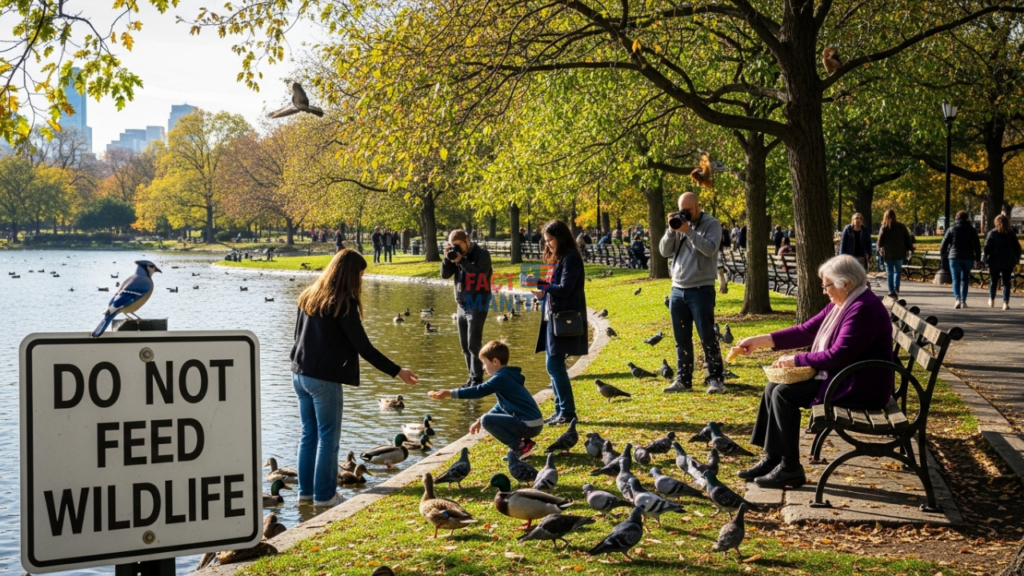
It sounds petty until a flock of pigeons starts living rent-free in your patio umbrella. Cities like Bellevue, Seattle, and others restrict feeding wildlife for public-safety reasons. Fines exist and are sometimes enforced, especially when feeding creates mess, attracts predators, or compromises animal health.
👉 To understand enforcement, check the Seattle municipal code on wildlife feeding restrictions.
🛍️ Plastic Bag Rules & Environmental Laws
Many leftover laws are public-health artifacts. Spitting bans, curfew-like rules for minors, or regulations aimed at factories from 1900 all sound comical now. These laws persisted on the books in altered form, and occasionally someone dusts them off in a modern enforcement moment, prompting a viral reaction.
Environmental and local rules like these are common, explore weird laws in Virginia that might surprise you.
Pro tip: if a law seems hilarious, check whether it was meant to stop a pandemic or a sanitation crisis a century ago.
👉 Environmental regulations like these are outlined in Washington’s official plastic bag ban guidelines.
🧠 Laws That Sound Fake (But Aren’t)
🚫 Feeding Animals = Real Fine
Laws often reflect what society feared at a moment in time. Fear of disease, drunkenness, or moral decline produced statutes that seem ridiculous now. But once a law is written and codified, it can be surprisingly sticky.
Changing a law requires political will, consensus, and time and sometimes nobody cares enough to update the wording when the original problem disappears.
🦠 Public Health Laws That Still Exist
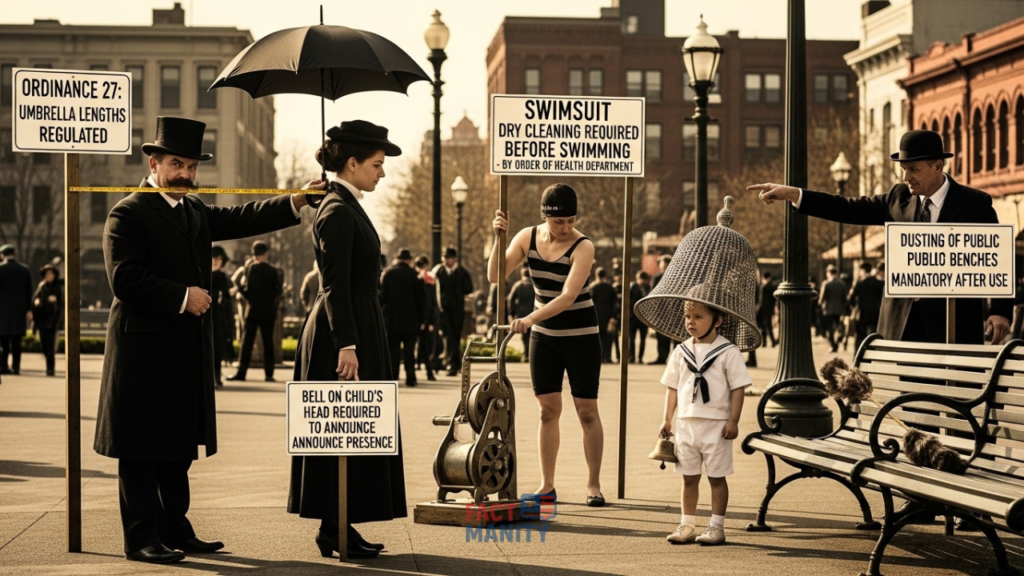
Plenty of statutes are symbolic: they codify a public stance. A plastic bag ban or an animal welfare law can be as much political messaging as practical regulation. That symbolism sometimes leads to laws that are stricter than necessary, or oddly specific, producing headline fodder for late-night comedians.
Old laws often stick around like this, check out weird laws in New York that still exist today.
😵 WTF Moment: When the Law Feels Too Real
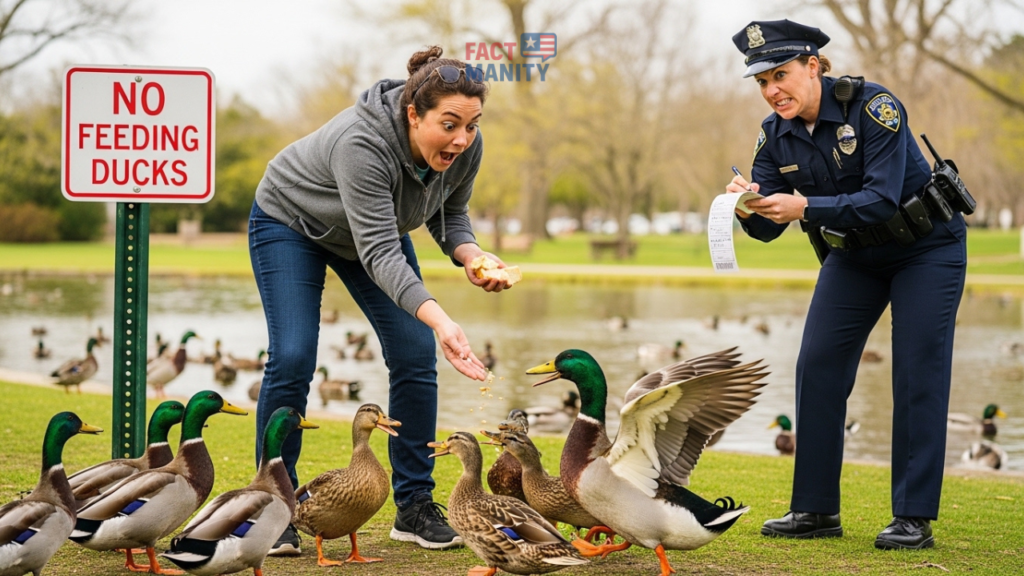
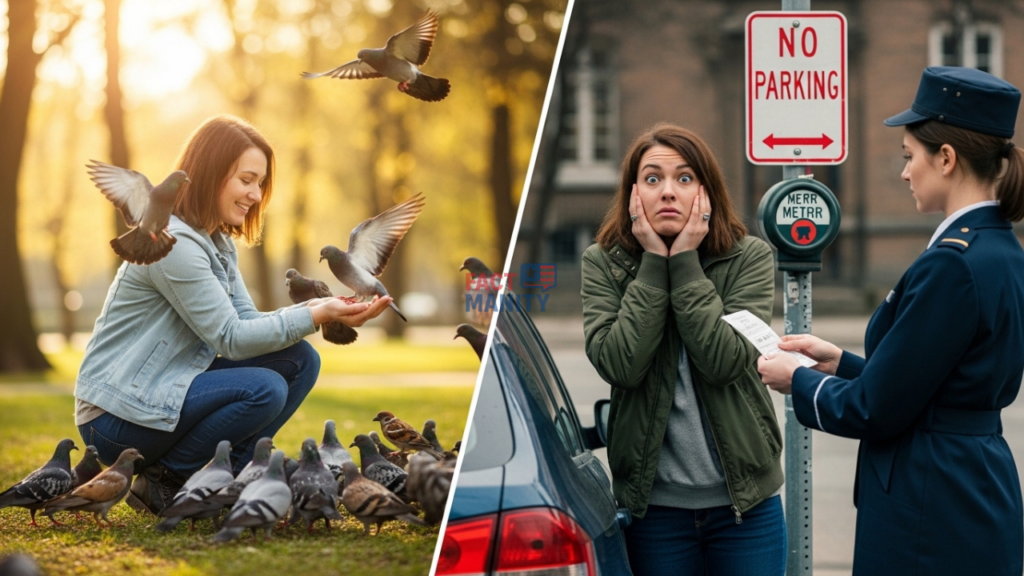
Here is the glorious point where the legal universe makes you laugh, gasp, and Google furiously. Imagine getting a ticket not for speeding or theft, but for feeding ducks at a popular park because the city is worried about water contamination and aggressive geese.
People online will call it petty… municipal officials will call it common sense. Both reactions are correct. The WTF is that such tiny acts, handing breadcrumbs to a duck can invoke laws with real penalties. Welcome to local governance.
📖 Micro-Stories: Small Moments, Big Lessons
🐦 The Gull Incident:
A tourist on a Seattle waterfront feeds a hungry gull, loses a sandwich, and gains a friendly citation. The officer explains the ban is to prevent aggression around picnic areas. The tourist becomes an unexpectedly viral cautionary tale: “Don’t feed the gulls, they bring the fine.”
📜 The Outdated Law Revival
A small-town council revives an old ordinance that banned women from wearing “men’s clothing” in public – an embarrassing relic. After social-media outrage and local historians pointing out the law’s origins, the council repeals it. The law’s existence becomes a teachable moment about how long discriminatory language can linger in codebooks.
🛍️ The Bag Confusion Case
A beachgoer shocked by a surprise ticket learns their reusable bag had been confiscated under a confusion with a plastic ban (misunderstanding, later resolved). This sparks a wave of neighborhood meetings and clearer signage at grocery stores. Sometimes odd laws produce civic engagement, which is a silver lining.
🍾 The Bottle Discovery Story
A hobbyist collects vintage bottles and discovers Washington’s Bottle Bill history. The state’s early deposit program, started in the 1970s and expanded over the decades, created an entire underground economy of redeemable nostalgia. People find cash in crates of glass and think about how laws change behavior over generations.
⚡ Quick Facts About Weird Laws in Washington
- Washington enacted statewide prohibition before the U.S. did. State-level laws on alcohol predate national changes in the early 1900s.
- Bottle deposit programs have long histories in Washington and helped shape recycling habits.
- Municipal wildlife feeding bans exist across several Washington cities to protect both animals and people.
- Plastic bag bans started city-by-city and later gained wider adoption in the state.
- Many odd-sounding rules on the books are historical remnants or urban myths… check the current municipal code to verify.
👉 For accurate legal information, review the official Washington State Legislature website for current laws
💭 Final Thoughts: When Laws Get Weird (and Why It Matters)
Weird laws are a perfect cultural microscope. They tell us what societies feared, what they prized, and which debates left long-lasting ink on the books. Washington’s legal oddities range from the understandable (wildlife protections, recycling mandates) to the straight-up absurd when removed from their historical context (ancient morality laws or under-examined ordinances).
Whether your reaction is laughter, outrage, or a delightful mix of both, remember: the strangest laws often have sensible roots, but they also make great stories at parties.
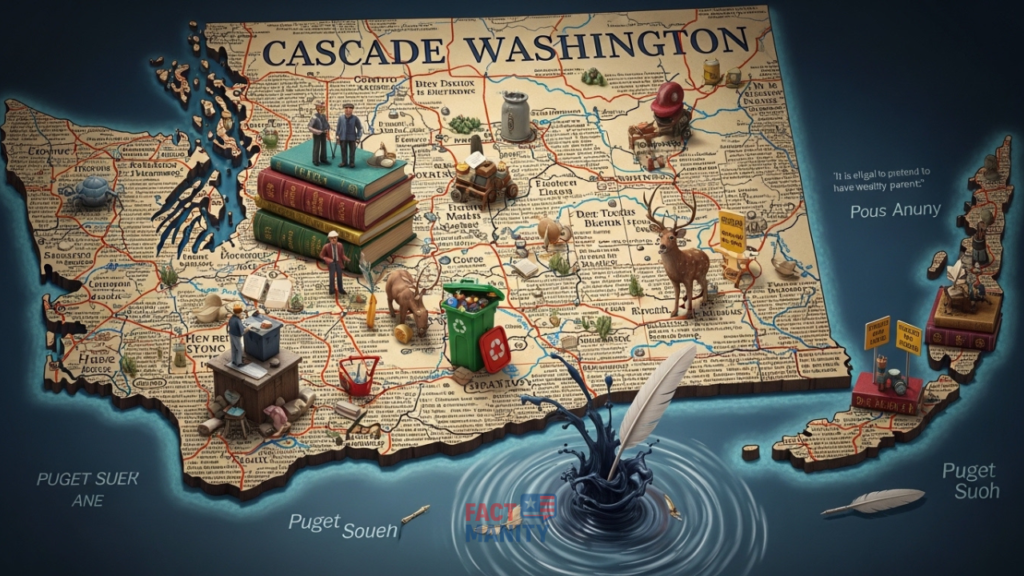
🌲 Here’s what makes Washington different…
It’s not just the laws, it’s how normal behavior can suddenly fall into a legal gray area. Feeding a bird, using the wrong bag, or following outdated advice can quietly cross a line you didn’t even know existed.
Weird laws aren’t always about being ridiculous, they’re about how small actions collide with evolving rules. So next time you hear a “crazy law,” don’t just laugh it off. Dig into it. Question it. Understand it.
Because the truth is…
Some of the strangest laws aren’t the ones people talk about, they’re the ones still being enforced when no one’s paying attention. 👀
FAQs ❓
Are weird laws in Washington actually enforced today? 🤔
Yes, but selectively. Laws related to public safety, environmental protection, and wildlife (like feeding bans or plastic regulations) are actively enforced in many cities. Older or bizarre-sounding laws may still exist but are rarely applied unless tied to a real issue.
What are the most important Washington laws tourists should know? 🌲
Tourists should be aware of wildlife feeding bans, plastic bag restrictions, public behavior rules, and local ordinances. Washington cities enforce environmental laws seriously, so small actions like feeding birds or ignoring signage can lead to fines.
Can I get fined for feeding animals in Washington? 🦆
Yes. Many cities like Seattle and Bellevue prohibit feeding wildlife because it can cause aggressive animal behavior, disease spread, and public safety risks. Violations can result in warnings or fines depending on the situation.
Why do some Washington laws sound so strange? 📜
Most weird laws come from historical events, public health concerns, or environmental policies. Over time, these laws stayed on the books or evolved, but their original wording makes them sound unusual today.
Are viral “dumb laws in Washington” actually real? 😂
Not always. Many are urban legends or exaggerated versions of real rules. Some originate from outdated laws that were repealed or misinterpreted. Always verify before assuming a viral law is true.
How can I check if a Washington law is real? 🔍
You can verify laws through the Washington State Legislature website or local municipal code websites. City offices and legal professionals are also reliable sources for clarification.
Can local Washington laws be stricter than state laws? ⚖️
Yes. Local governments can create ordinances within state guidelines, which is why laws vary significantly between cities. Something legal in one area might be restricted in another.
Disclaimer: This article is for informational and entertainment purposes only and does not constitute legal advice. Laws and ordinances can change over time and may vary by city or county. Always consult official state statutes, local municipal codes, or a qualified attorney for the most accurate and up-to-date legal guidance.