
⛰️ Welcome to West Virginia’s Weird Legal Landscape
Picture this: you’re driving through the scenic roads of West Virginia, mountains on both sides, playlist on point… and you stop in a small town for a quick break. You park, grab a drink, maybe plan something spontaneous and suddenly realize… the rules here might not be what you expect.
That’s the charm (and chaos) of weird laws in West Virginia.
This state isn’t just about coal towns, country roads, and Appalachian beauty, it’s a layered legal landscape where old traditions, local governance, and forgotten statutes quietly coexist. Some laws feel like they were written for a completely different century… because they were.
If you’re someone who loves uncovering hidden truths, questioning viral myths, or just wants to avoid doing something unintentionally illegal while traveling. This is your kind of deep dive. Because in West Virginia, the weirdest laws aren’t always loud… they’re just sitting there, waiting to surprise you.
If you enjoy uncovering strange state rules, check out our breakdown of weird laws in Virginia that sound completely unreal
🔥 Key Takeaways
- ⛰️ Weird laws in West Virginia are often historical leftovers mixed with local ordinances.
- 🍺 Blue laws still influence alcohol sales in some counties, especially on Sundays.
- 🎣 Hunting and fishing rules can be surprisingly strict and highly specific.
- 🏙️ The weirdest laws usually come from small-town municipal codes, not state law.
- 📜 Many strange statutes exist because no one prioritized removing them.
- ⚠️ What seems funny can still be enforceable — especially when it affects public safety or property.
Table of Contents
📊 Quick Overview: Weird Laws in West Virginia
| Example Law | Quick Notes |
|---|---|
| Blue laws on Sunday alcohol sales | Historically enforced, counties have varied rules and referendums changed many of them. |
| Outdated public decency statutes | Language survives from another century, enforcement is rare but the text is still there. |
Quick Answer: Yes, West Virginia has its share of weird laws in West Virginia, but most are either local ordinances, historical leftovers, or very context-specific rules. The state’s legal landscape is a delightful patchwork of practical coal-and-country rules and surprising relics of past sensibilities.
🤯 Strange and Funny Laws from West Virginia
🍺 Blue Laws & the Weekend Alcohol Drama
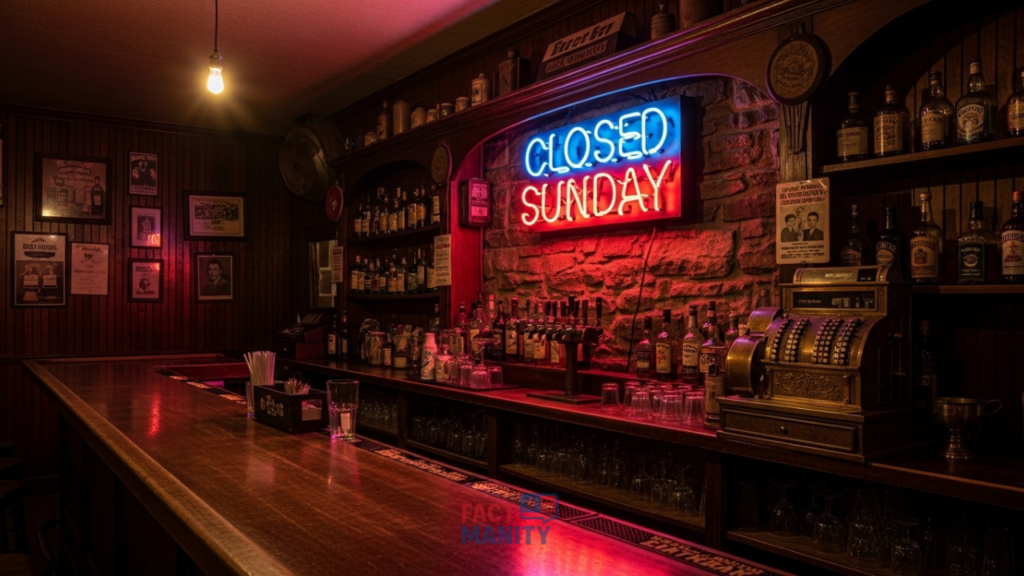
West Virginia’s relationship with alcohol sales reads like a soap opera. Historically, many counties were “dry” or had strict Sunday sale restrictions classic blue laws born from religious and social norms. These laws meant that people driving through might suddenly realize the store that sold beer on Friday night was closed Sunday, while the county next door happily sold chilled cans.
In recent decades, statewide referendums and local votes have loosened many restrictions, but the vestiges remain: county options, timed sales, and special rules for taps and tastings.
Example: some counties require a voter-approved permit to allow liquor by the drink… a setup that feels like you’re voting for the right to enjoy a margarita.
👉 To understand county-level alcohol regulations, check the West Virginia Alcohol Beverage Control Administration guidelines.
🎣 Hunting & Fishing Rules You Didn’t Expect
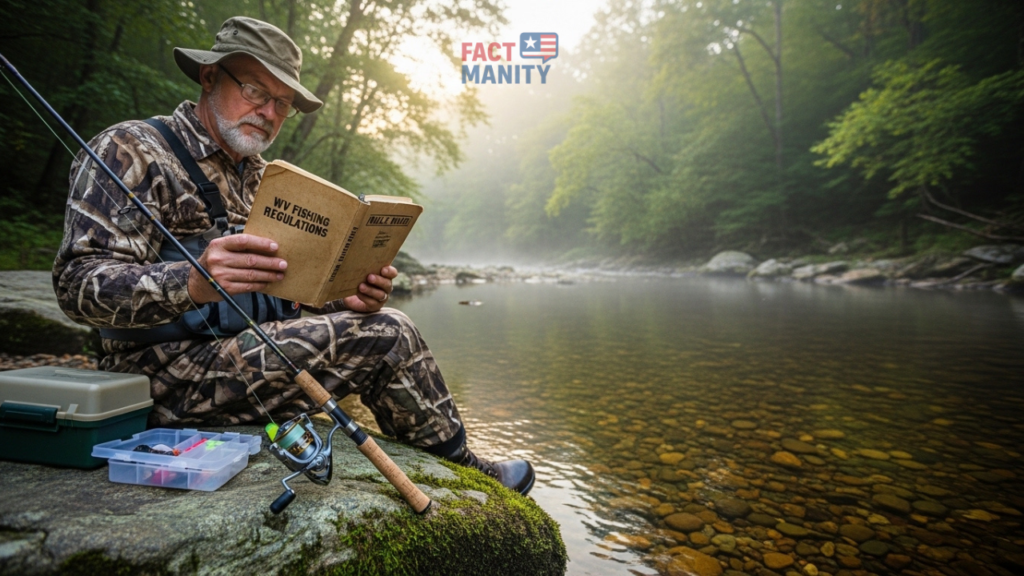
West Virginia takes hunting and fishing seriously and sometimes in oddly specific ways. You can be fined for running afoul of gear, season, or method restrictions that sound like they came from a hunting camp manual penned in 1912.
For example, certain traps and baits are regulated, and some county ordinances set additional limits on where and when you can pursue game. The intent is wildlife management, the effect is a stack of regulations that can make even veteran outdoorspeople consult a rulebook before dragging a canoe to the creek.
Sunday restrictions like these also appear in weird laws in Wyoming that still exist today.
🏙️ Local Ordinances That Make You Say WTF
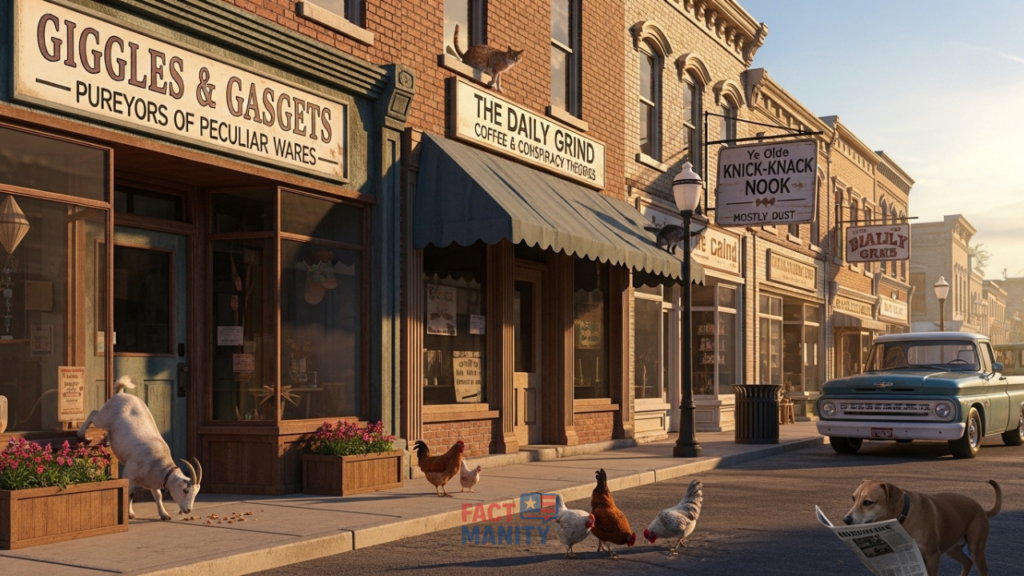
🏘️ Small Town Rules That Feel Unreal
Municipal codes in West Virginia can be wonderfully specific. Cities and towns often pass ordinances tailored to local problems, whether it’s an overenthusiastic goose population or an old storefront that keeps turning into a late-night noise magnet.
That specificity leads to gems like restrictions on how close animals can be to theaters (to avoid messy intermissions) or rules about keeping storefront awnings from dangling into the public’s personal space. These make perfect sense locally but to a visitor, they read like comedy props.
👉 You can explore real municipal rules through local West Virginia city and county ordinance databases
🚧 Parking, Signs & Everyday Restrictions
Parking is sacred and weird rules protect it. Some towns have quirky signage rules, odd towing provisions, or time limits enforced in ways that feel like a puzzle created by someone who loved traffic cones more than people.
Pro tip: If you think a sign is ridiculous, it’s probably an actual ordinance somewhere in West Virginia. That’s how you know it’s real and that is part of the charm.
📜 Archaic State Laws Still Hanging Around
🕰️ Victorian-Era Moral Codes
Some West Virginia statutes read like a Victorian primer: strict on public morals, coded in language that would make a 1920s minister nod in approval. These laws often target “public indecency” and use phrasing so broad it’s almost poetic.
These laws are rarely applied in modern contexts, but they’re still written down. That means your perfectly legal street performance could technically trip over a phrase written before radio existed. Lawmakers sometimes clean up the language, but the original relics don’t vanish overnight.
💰 Outdated Penalties That Make No Sense Today
Old statutes sometimes carry penalties that belong to a different era: fines set at amounts that made sense when a dollar had more teeth, or punishments that assume horse-drawn impacts. Modern courts and updated code generally render these symbolic but reading them is like reading a museum plaque that slaps you with a citation.
Example: fine schedules that have an outdated base amount compounded by modern multipliers… in practice a clerk will adjust, but the face value is a time capsule.
Historical legal leftovers are common, explore weird laws in Kentucky that might surprise you.
😵 WTF Moment: When a Simple Action Gets You Fined
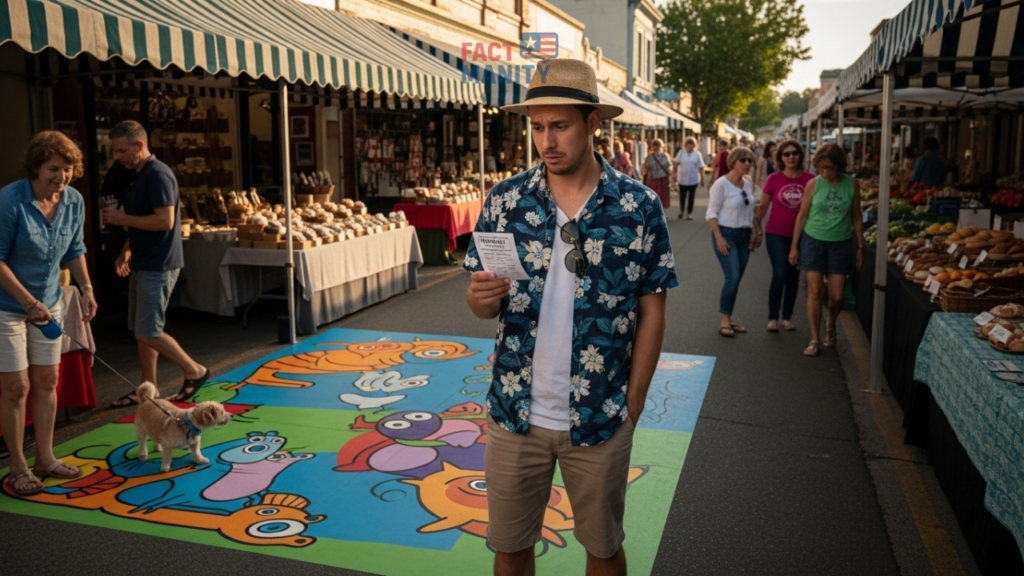
There’s a West Virginia county clerk story that traveled like wildfire: a tourist was fined for parking “too close” to a sidewalk art display because the local ordinance defined pedestrian space in a way that included temporary art installations. It’s the perfect microcosm: a law designed to keep sidewalks usable ended up tangling with a farmer’s market and a busker. The tourist paid a small fine, learned a new phrase (“sidewalk encumbrance”), and left with a great anecdote.
📖 Micro-Stories: Real-Life Legal Weirdness

1) The Midnight Sales Mix-Up A couple stopped to buy spirits on a Saturday night drive and found the store locked. The clerk explained, apologetically, that the county’s referendum allowed sales only until midnight on Saturdays… not a full 24-hour period.
The couple laughed, set up camp in the parking lot, and ordered pizza. Lesson: always check the clock in West Virginia.
2) The Overzealous Mower In a small town, a homeowner was fined for trimming a hedge that partially obstructed a municipal sign. The ordinance required clear sightlines for traffic… the hedge cutter argued public safety. Court took a mercifully reasonable approach, but the hedge cutter now owns reflective vests and a new appreciation for municipal sign law.
3) The Fish Tale A fisherman bragged about catching a giant carp and then learned that a particular waterway had bait restrictions.
The brag turned into a lesson about local regulations for bait and release. The fish lived to see another fishing license.
4) The Costume Code A theater troupe rehearsing in a town square discovered an old ordinance restricting “disguises” at public gatherings (originally meant to curb mischief during parades).
The municipality dusted off the rule, laughed, and issued an official exemption for theater groups but everyone now carries a paper copy of the exemption like a VIP pass.
⚡ Quick Facts About Weird Laws in West Virginia
- Blue laws historically affected Sunday sales in many West Virginia counties, though many have been changed by local votes.
- Local ordinances explain most oddly specific rules… city hall is where the real flavor lives.
- Many strange statutes are remnants of older social priorities and are rarely enforced today.
- Surprising examples often involve parking, signage, hunting, and public decency.
- When in doubt, call the local clerk or check the municipal code… it saves money and awkward conversations.
👉 For the most accurate legal information, review the official West Virginia Legislature website for updated laws.
💭 Final Thoughts!
West Virginia’s legal quirkiness is less about intentional silliness and more about historical layering. The state’s laws are a mix of practical modern rules, county-level flavor, and statutes written by people who never imagined today’s world. That creates a legal landscape that’s charming, occasionally baffling, and endlessly meme-able.
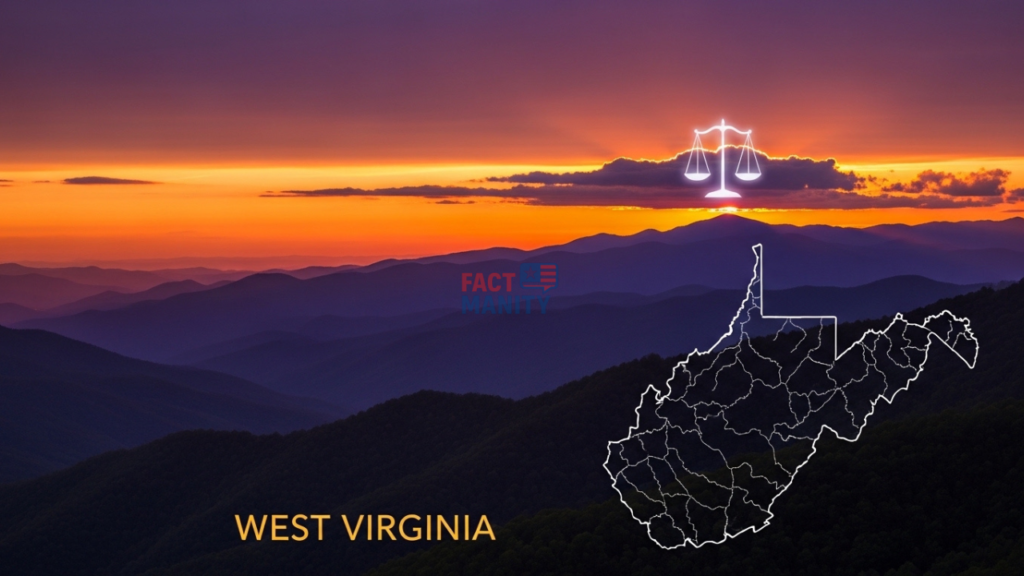
From bizarre local ordinances to century-old legal relics, one thing is clear:
Laws aren’t just rules… they’re stories frozen in time.
West Virginia perfectly captures that idea. It’s not about “dumb laws”, it’s about history colliding with modern life, creating moments that are confusing, funny, and sometimes surprisingly enforceable.
👉 And just like that… you’ve reached the end of the “Weird Laws in Every U.S. State” journey. 🙌
Next time you travel, don’t just explore the place… explore the rules behind it.
Because sometimes the most interesting thing about a state… isn’t what you see, it’s what you’re technically not allowed to do. 👀
FAQs ❓
Are weird laws in West Virginia actually enforced today? 🤔
In most cases, not in their original or literal form. However, laws tied to public safety, property, noise, and local ordinances are actively enforced. Many “weird” laws are simply outdated wording of rules that still serve a modern purpose.
What are the strangest laws in West Virginia that still exist? 😵
Some of the strangest include blue laws affecting Sunday alcohol sales, outdated public decency statutes, and highly specific municipal ordinances. While they may sound funny, many were created to address real issues of their time.
Can tourists get fined for breaking weird laws in West Virginia? 🚗
Yes, especially if the law relates to parking, signage, noise, or local business rules. Tourists are more likely to encounter enforcement through local ordinances, not bizarre statewide laws.
Why do so many weird laws in West Virginia still exist? 📜
Because laws are rarely removed unless necessary. Many statutes remain as historical artifacts, and unless they conflict with modern law, they’re often left untouched.
Are all “dumb laws in West Virginia” actually real? 😂
No. Many viral laws are urban legends or exaggerated interpretations. Always verify through official state or municipal sources before believing them.
How can I check if a strange law is real in West Virginia? 🔍
You can verify laws through the West Virginia Code online or local municipal websites. Calling a city clerk’s office is often the fastest and most reliable way.
What should visitors do to avoid breaking local laws? ⚠️
Stick to the basics:
1: Follow posted signs
2: Respect local rules and customs
3: Check county-specific regulations (especially alcohol laws)
4: Avoid assuming something is legal just because it “sounds harmless”
Disclaimer: This article is for informational and entertainment purposes only and does not constitute legal advice. Laws and ordinances can change over time and may vary by city or county. Always consult official state statutes, local municipal codes, or a qualified attorney for the most accurate and up-to-date legal guidance.