
🧀 Welcome to World’s Most Weird Laws in Wisconsin
Picture this: you’re in Wisconsin, standing in a cozy diner, ordering cheese curds while someone casually drops a “fun fact” about a law that once treated margarine like a criminal mastermind. You laugh… then pause… then wonder… wait, is that actually real?
That’s the magic of weird laws in Wisconsin. They live somewhere between truth, history, and exaggerated storytelling. Some were born out of fierce economic battles (hello, dairy industry), others came from very real safety concerns, and a few? They just stuck around long enough to become legendary.
If you’re the kind of person who enjoys uncovering strange facts, calling out myths, and understanding the why behind bizarre rules… you’re in the right place. Because this isn’t just about laughing at “dumb laws.” It’s about decoding how real life, politics, and culture created rules that sound ridiculous today… but once made perfect sense.
And here’s the kicker: a few of these laws can still affect you, especially if you’re visiting, road-tripping, or just trying to impress someone with oddly specific trivia.
If you enjoy uncovering bizarre legal stories, you’ll love our deep dive into weird laws in Vermont that actually exist.
🔥 Key Takeaways
- 🧀 Wisconsin’s weird laws often come from real economic battles—especially in the dairy industry.
- 📜 Many strange rules are historical leftovers that still exist in legal text today.
- 🦌 Local ordinances (like wildlife feeding bans) are actively enforced in many towns.
- 🚗 Practical safety laws (like no shooting from vehicles) may sound odd but are very real and serious.
- 😂 Viral “dumb laws” are often myths or exaggerated stories—don’t believe everything online.
- 🎯 The smartest move? Always check local rules before assuming something is legal.
Table of Contents
📊 Quick Breakdown: Wisconsin’s Strangest Laws Explained
| Law (Short) | Status | Why It’s Weird |
|---|---|---|
| Colored Margarine Restrictions | Historical (repealed/changed) | Industry protection that treated margarine like a sworn enemy of butter |
| Shooting from a Motor Vehicle | Current | Very specific safety rule that makes for great headlines |
| Feeding Deer or Wildlife | Local bans common | Neighborly kindness becomes a ticket in many towns |
| Myths: Ice Cream in Back Pocket | Mostly myth | Funny story, dubious legal backing |
Quick answer: Yes, Wisconsin has some laws that read like comedy sketches, but many are either historical relics or local ordinances targeting very specific problems. Don’t freak outmost are aimed at public safety or protecting farmers, not ruining your summer.
🤯 Wisconsin’s Weird and Wacky Laws
🧈 Margarine vs Milk: The Legendary Dairy War
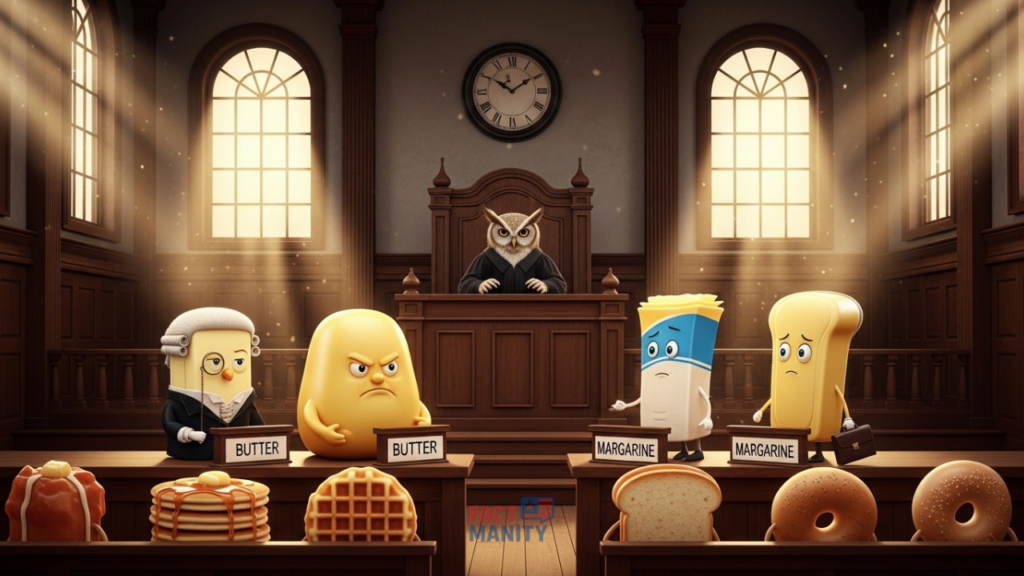
If you think food fights are only for TikTok, think again. In the early 20th century, Wisconsin, the Dairy State got into a full-scale policy war over margarine. Dairy producers lobbied for restrictions on colored margarine so it wouldn’t compete visually with butter.
That meant laws that controlled how margarine could be sold or packaged. It sounds absurd now, but this was a serious attempt to protect livelihoods. The law evolved, and restrictions eased, but the episode explains why Wisconsin takes dairy policy personally.
🚗 Don’t Shoot from Your Car (Yes, That’s Real)
One of the less funny but very practical laws: you generally cannot hunt or shoot animals from a motor vehicle in Wisconsin. This rule exists to keep roads safe and to prevent people from turning a car into a very unsafe hunt club.
Yes, it’s the kind of law that makes for a county fair cautionary tale, “Don’t be that person who thinks their sedan is an elk blind.”
🏡 Local Ordinances That Make You Go “Wait… What?”
🦌 Feeding Wildlife: Cute Idea, Legal Trouble
Wisconsin’s municipalities often ban feeding deer or certain wildlife. It sounds mean, but the reasons are practical: feeding can concentrate animals near roads, spreading disease and creating collision hazards.
So your romantic idea of leaving out corn for deer can turn into a ticket or a neighbor feud. That’s a weird social cost of caring for fuzzy critters.
Local quirks like these are surprisingly common, check out weird laws in Iowa that will confuse you.
🍦 The Ice Cream in Your Back Pocket Myth
Legend says it’s illegal to carry an ice cream cone in your back pocket in multiple states, including Wisconsin. The story probably started as a practical tip to prevent horse theft. People would lure horses away by putting a treat in their pocket. Over time, legend mutated into law.
Most likely: this is a mythologized rule, fun to say, dubious to prove. Local quirks? Maybe. State statute? Not reliably.
👉 To understand and explore more of the weird laws in Wisconsin, check the Wisconsin Weird Laws 2019 Edition..
📜 Oddball Rules That Still Lurk in the Law

⏳ Antiquated Laws That Refuse to Disappear
Every state code contains remnants of older times, laws written for a different world. In Wisconsin you’ll find statutes that refer to obsolete technologies or social conditions. They make for great trivia night material and even better late-night rants.
Example: archaic fines or oddly specific misdemeanor language. Most of these don’t matter day-to-day, but they sure make for entertaining legal deep dives.
Historical laws often linger like this, explore weird laws in Pennsylvania that still exist today.
❄️ Modern Quirks: Snowmobiles & Fishing Rules
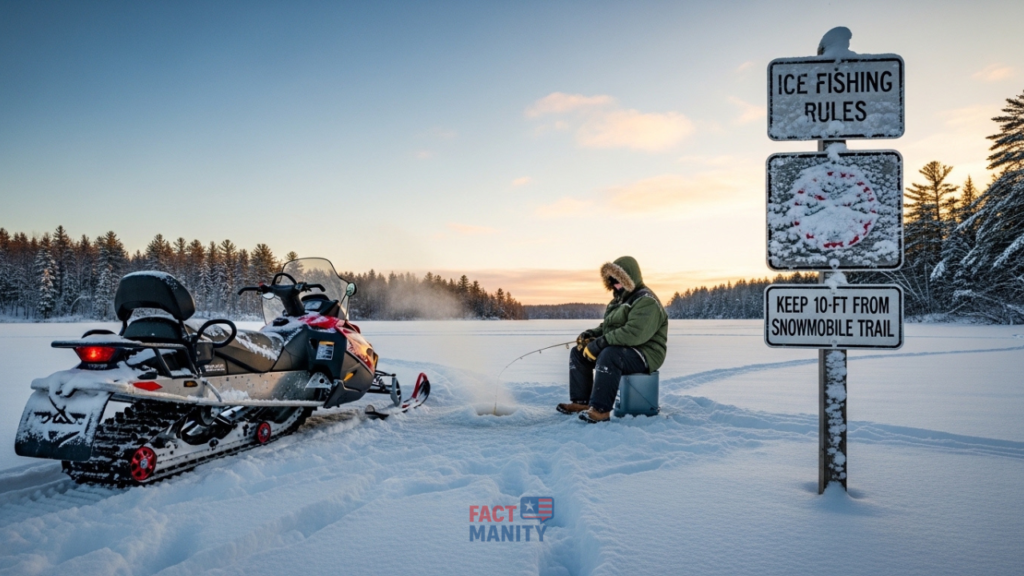
Wisconsin is a state where outdoor gear matters. Some laws sound odd at first glance like strict noise rules for off-highway vehicles or detailed bag limits for fish species but they’re rooted in safety and conservation.
What looks like a weird restriction is often wildlife management or noise control. Still, the specificity can read like the world’s oddest etiquette guide: “Do not be loud. Do not overfish.”
👉 For local-level enforcement details, explore Wisconsin municipal codes and city ordinances before planning activities
😵 WTF Moment: The Law That Makes You Pause
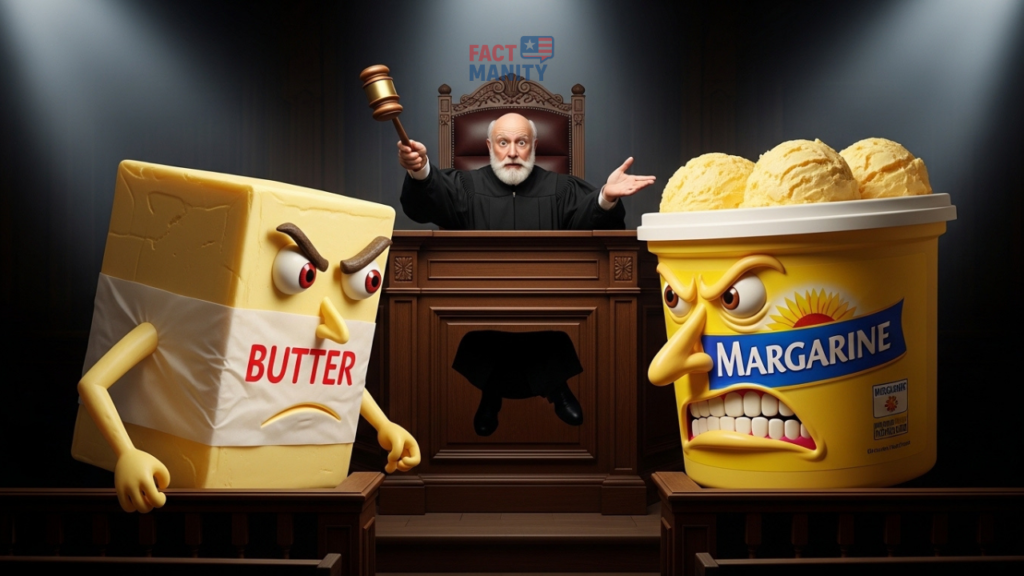
If you’re picking a single WTF moment from Wisconsin’s legal history, the margarine saga is the front-runner. Who knew a spread could spark decades of regulation, courtroom fights, and marketing wars? It’s a perfect example of how economic protectionism can take shape in unpredictable, ridiculous-sounding laws.
📖 Micro-Stories: Real-ish Legal Moments
🧾 The Margarine Merchant
A small grocer in the 1950s tries to stock yellow margarine because customers ask. After a polite visit from a regulator and a confusing citation, the owner learns how much local economies resist change when cheese and butter are at stake.
🎯 The Hunter’s Surprise
A suburban hunter thinks a roadside clearing is fair game. A conservation officer disagrees because hunting from a vehicle is illegal and the hunter learns a valuable lesson about reading the rules (and not firing near traffic).
🦌 The Neighborly Mistake
Someone leaves food for backyard deer. A neighbor calls the city, citing a local ordinance. After a polite ticket and a warning, the feeder switches to binoculars and joins a wildlife rehab volunteer group instead.
🍦 The Ice Cream Tourist
A visitor brags about the “ice cream in your back pocket” law and tries it outside a historic downtown. A police officer laughs, explains it’s a myth, and buys the tourist a cone… on the house.
Lesson: sometimes myths make excellent conversation starters.
🎉 Quick Facts You Can Drop at Any Party
- Wisconsin earned the nickname “Dairy State” for a reason, food laws often relate to protecting dairy farms.
- Many supposed weird laws are actually local ordinances, not statewide statutes.
- Some bizarre-sounding rules are public-safety laws in disguise (don’t shoot from cars, don’t feed deer, wear a life jacket in certain conditions).
- Historical statutes often look ridiculous now but made sense in the context of their era.
👉 For accurate and updated legal information, browse the official Wisconsin state statutes database online
💭 Final Thoughts: When Laws Get Weird (and Why It Matters)
Before you quote a ridiculous law at a dinner party, check whether it’s current, local, or a thoroughly debunked myth. Most of the time the bizarre rules tell you more about history and local politics than about modern life, and that’s the real story worth telling.
🧀 So here’s the thing about weird laws in Wisconsin…
It’s not just the cheese that’s rich, it’s the stories behind the laws. Some were written to protect livelihoods, some to prevent chaos, and others somehow survived long enough to become internet legends.
👉 The next time someone drops a “crazy law” at a party, don’t just laugh… question it. Because half the fun isn’t the law itself… it’s figuring out whether it’s real, misunderstood, or completely made up.
And if you enjoy that little moment of “wait… is that true?”. You’re going to love this series.
🔥 Keep exploring. Every state has its own version of legal madness… and Wisconsin is just the beginning.
FAQs ❓
Are weird laws in Wisconsin still enforced today? 🤔
Some weird laws in Wisconsin are still enforceable, but most are only applied when they relate to real issues like safety, wildlife control, or public nuisance. For example, feeding deer or hunting from a vehicle can absolutely result in fines, while older laws (like margarine restrictions) are mostly historical.
What are the most important Wisconsin laws tourists should know? 🧀
Tourists should focus on wildlife feeding bans, hunting rules, noise ordinances, and local regulations. Many of Wisconsin’s “weird laws” are actually practical rules in disguise, especially in smaller towns where local ordinances matter more than you’d expect.
Is the ice cream in your back pocket law real in Wisconsin? 🍦
No, this is one of the most famous urban legends, not a reliable or enforceable statewide law. While it may have historical roots tied to horse theft, there’s no solid legal basis for it being a current Wisconsin statute.
Why did Wisconsin have laws against colored margarine? 🧈
These laws were created to protect the dairy industry, which is a major part of Wisconsin’s economy. By restricting margarine’s appearance, lawmakers aimed to prevent it from competing directly with butter. It sounds funny now, but it was serious business at the time.
Can I get fined for feeding deer in Wisconsin? 🦌
Yes. Many municipalities prohibit feeding deer because it can spread disease, increase accidents, and create safety risks. First-time violations may result in warnings, but repeat offenses can lead to fines.
What makes Wisconsin’s laws seem so weird? 📜
Most weird laws come from historical needs, local governance, and specific incidents. Over time, these laws stayed on the books or evolved into modern rules, but their original wording makes them sound strange today.
How can I verify if weird laws in Wisconsin are real? 🔍
Check Wisconsin state statutes or local municipal codes online. You can also contact a city clerk or local authority. Avoid relying on viral content, many “dumb laws in Wisconsin” are exaggerated or completely false.
Disclaimer: This article is for informational and entertainment purposes only and does not constitute legal advice. Laws and ordinances can change over time and may vary by city or county. Always consult official state statutes, local municipal codes, or a qualified attorney for the most accurate and up-to-date legal guidance.