

🤠 Welcome to Wyoming’s World of Weird Laws
Wyoming feels like freedom. Wide-open land, cowboy culture, and that “do whatever you want” energy that makes people dream about escaping city life. But here’s the twist that no one tells you upfront, even in a place that looks this unrestricted, the law still has a few… very unexpected opinions.
We’re talking about rules that sound like they were written during a cattle drive, passed down through generations, and never fully retired. Some of these weird laws in Wyoming are rooted in real frontier problems like livestock wandering onto someone else’s land while others are internet-fueled myths that refuse to die because they’re just too entertaining.
Now, if you’re the type who loves uncovering strange facts, bizarre legal loopholes, and those “this can’t be real” moments… you’re exactly who this is for. Whether you’re a curious reader, a road-trip traveler, or someone planning to experience Wyoming’s rugged charm, understanding these laws isn’t just fun… it can actually save you from an awkward (or expensive) situation.
If you enjoy uncovering strange legal rules across the U.S., check out our guide on weird laws in Vermont that might surprise you
Because in Wyoming, the line between “that’s ridiculous” and “that’s actually illegal” is thinner than you’d expect.
🔥 Key Takeaways
- 🤠 Many “weird laws in Wyoming” are actually myths or exaggerated local stories.
- 🐄 The most real and enforceable rules often involve livestock, property rights, and land use.
- 📜 Some strange laws are leftovers from frontier life that still hold legal relevance today.
- 🚗 Everyday actions like driving, parking, or noise can lead to fines under local ordinances.
- 😵 Viral claims (like fainting bans or bizarre restrictions) are usually misinterpretations, not real laws.
- 🎯 When in doubt, always check local rules — because even a “funny” law can have real consequences.
Table of Contents
📊 Quick Snapshot: Wyoming’s Strangest Laws Explained
| Claim | Reality |
|---|---|
| “You can’t whistle after 10pm” | Often a local noise ordinance rumor, not a clear statewide law |
| “Dueling is legal” | False. Dueling is outlawed and historically punished |
| “Brand your car like cattle” | Not literally but livestock branding and registration are real and important |
Quick Answer: Most “weird laws in Wyoming” that circulate on the internet are exaggerated or purely local oddities. That said, Wyoming does have some legitimately quirky statutes left over from frontier days mainly revolving around animals, property, and extremely old social rules.
🤯 The Most Bizarre Legal Rules in Wyoming
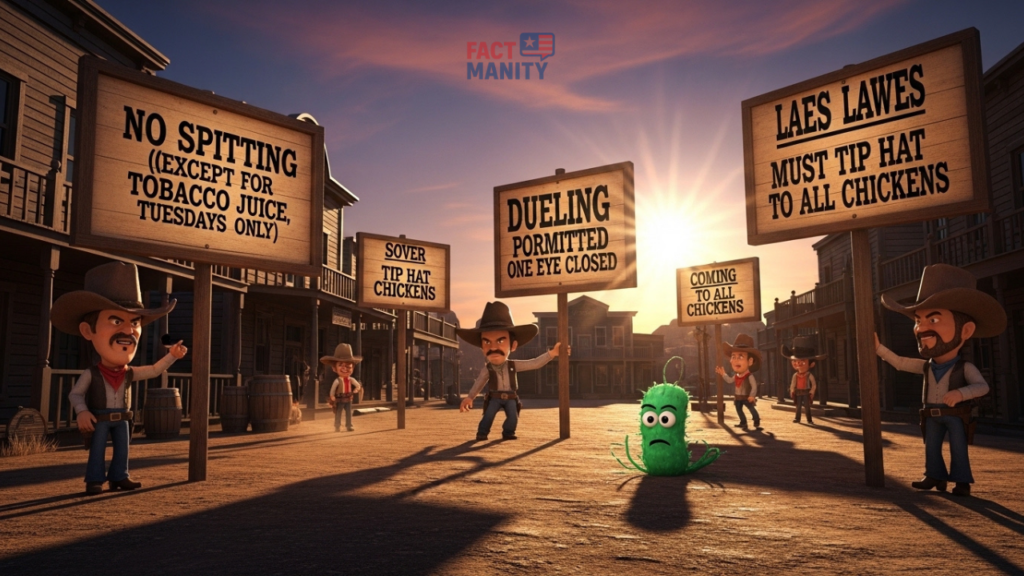
🧠 Urban Legends That Just Won’t Die
The internet loves a good county ordinance panic. Stories claiming you cannot ride a horse into a bar, or that it is illegal to sleep in your car while sipping a soda, often trace back to small-town ordinances or pure invention. These tales spread because they are entertaining… not because the state legislature passed them during a full moon.
Example: There’s an oft-cited claim that certain Wyoming towns banned wearing a hat in a church unless you had permission. That sounds archaic and in many cases it’s a misunderstood custom or church policy, not a statewide law enforced by uniformed hat judges.
📜 Real Laws With Deep Frontier Roots
Some real statutes read like historical props. For example, laws about dueling, once common, are still on the books across many states in various forms. Wyoming’s criminal code contains provisions that make assault, homicide, and related challenges illegal. So yes, duels remain a bad idea and legally punishable.
Another non-romantic relic: Wyoming’s property and livestock rules stem from a time when a wandering cow could ruin a family’s winter. So yes, laws about livestock trespass, brand registration, and fencing responsibilities are alive and well. They may look strange to urban eyes, but they protect people’s livelihoods.
🏜️ Outdated Oddities Still Hanging Around
🐄 Livestock, Branding & Legal Ownership Rules
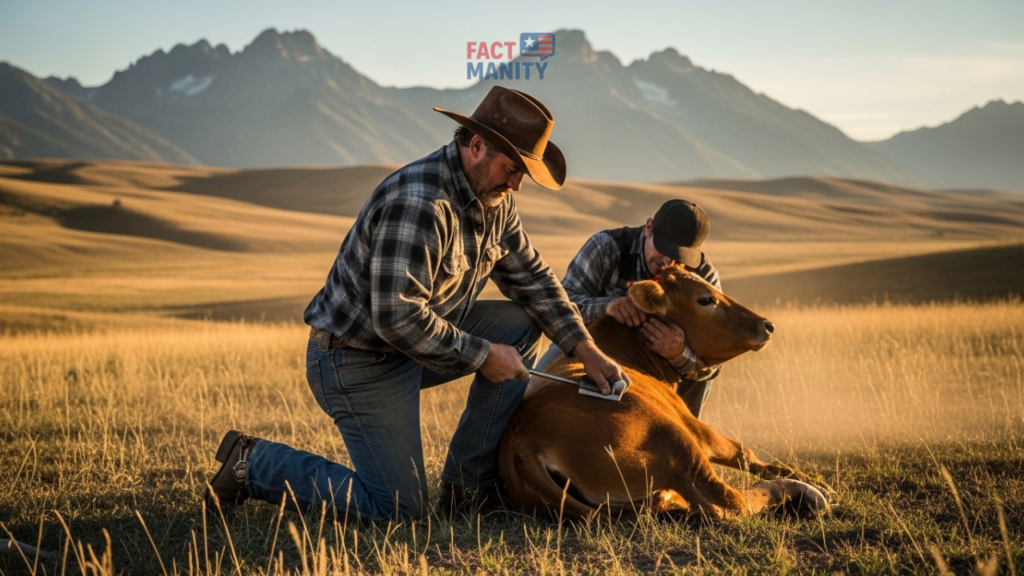
If you grow up in a city, you might find it hilarious that branding and livestock registration are legal matters. In Wyoming, brands are recorded and recognized for ownership, a practice that continues to carry legal weight. Losing track of a stray cow is not just embarrassing… it can become a legal problem.
Surprising fact: brand registries can be used in court. So that old rancher’s brand doodle pinned to the state book still matters when a heifer wanders into someone else’s hay.
👉 To better understand livestock regulations, review the Wyoming Livestock Board’s official rules and brand registry system.
🚨 Public Behavior & Nuisance Laws Explained
Many “weird” statutes are actually nuisance laws dressed up in old-timey language. Noise ordinances, restrictions on public intoxication, and limits on obstructing sidewalks are common. They sound quaint when written in a 1920 font, but their purpose is modern: keep communities functional.
For instance, a local ordinance that prohibits obstructing streets with livestock or paraphernalia is standard in towns where Main Street doubles as a cattle drive lane during parades. It’s practical more than punitive.
Frontier-style laws like these are also common, see our breakdown of weird laws in Hawaii that still exist today.
🚗 Everyday Things That Could Get You Fined
🔊 Traffic, Noise & Strange Driving Rules
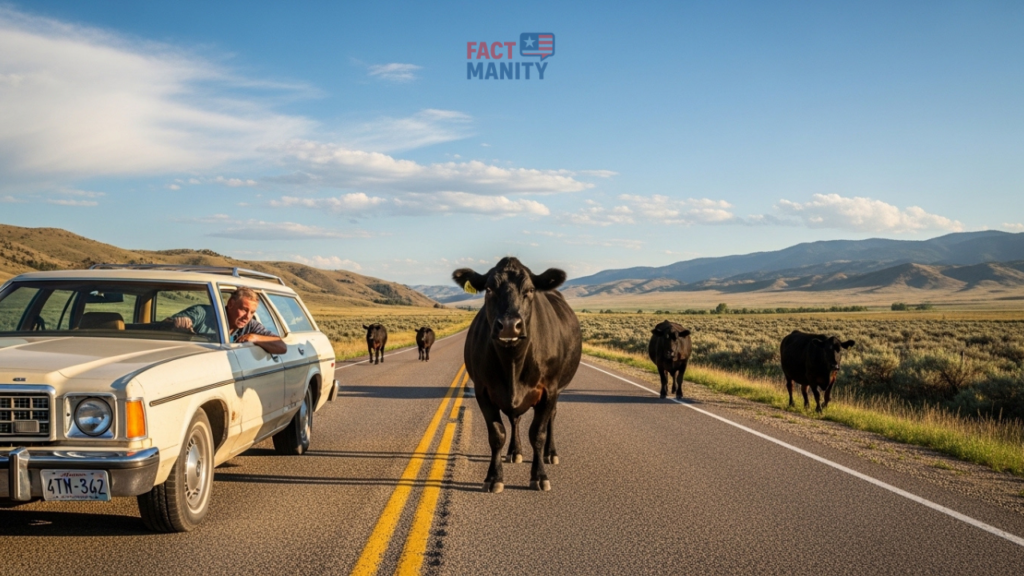
Funny thing: some traffic rules are plain old common sense presented with legal teeth. Honking your horn at weird hours? Local noise rules apply. Parking in places that block farm machinery during harvest season? Expect a ticket or an unhappy farmer.
Real example: counties sometimes adopt different speed and noise enforcement near industrial or ranching zones. So, your late-night chanting session in a subdivision might attract a different reaction than the same volume near a rodeo ground.
Public behavior laws can get even stranger, explore these funny laws in Maine that tourists often ignore.
🧳 Tourists vs Small-Town Ordinances
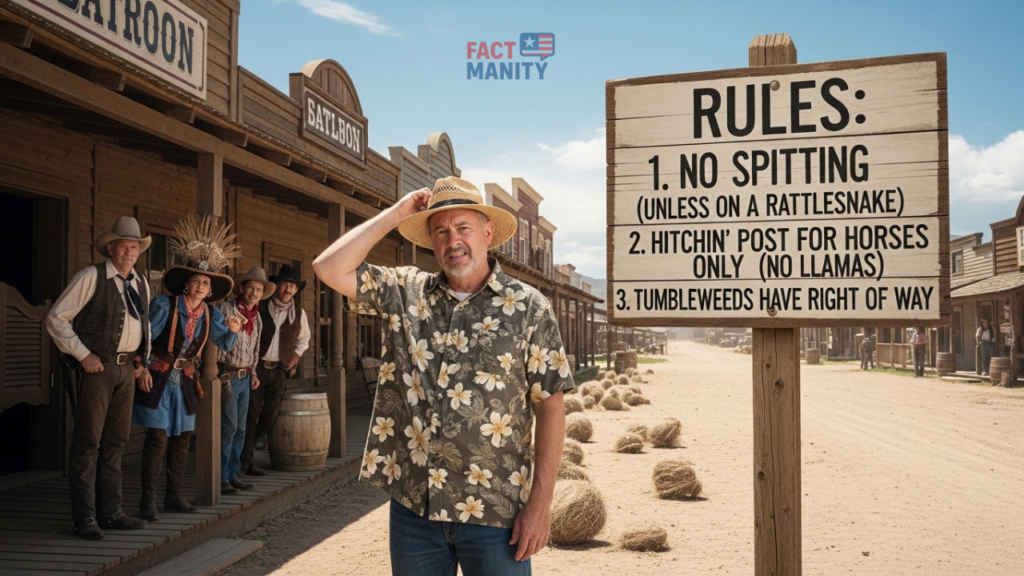
Visitors acting like NYC tourists in a small Wyoming town will discover that novelty acts attract attention and occasionally fines. Public intoxication, failing to leash dogs, and ignoring livestock crossing signs can lead to citations. The moral: respect local signs. They were probably put there by someone who has had a cow-trailer incident at 2am.
👉 Local enforcement varies, so it’s helpful to check Wyoming municipal codes and local ordinances by county before planning activities.
Pro tip: check the municipal code if you’re planning something theatrical on Main Street. Some towns actually have permits for parades, unusual costumes, or selling lemonade by the roadside.
😵 WTF Moment: The Viral Law That Isn’t Real
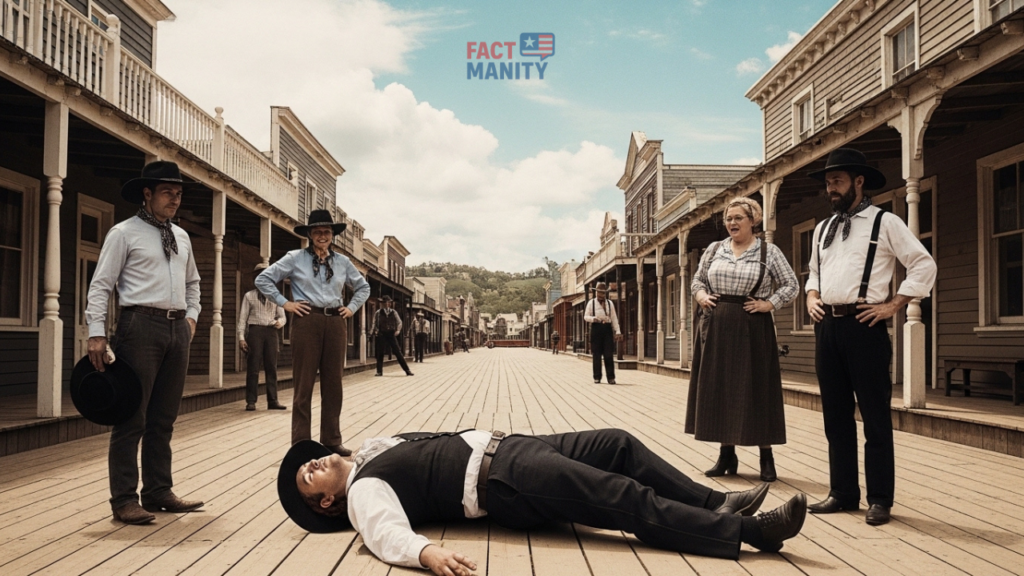
One of the strangest viral claims about Wyoming was the persistent rumor that the state outlawed “fainting on Sundays” or some other absurd religiously tinted action. It’s a classic example of a myth growing legs: people repeat the line because it sounds outrageously specific, and suddenly the internet treats it like gospel.
Reality check: such claims are usually misinterpretations of old moral codes or misread local ordinances. There is no statewide patrol of fainting on sacred days. But the myth endures because it makes a great cocktail-party anecdote.
📖 Micro-Stories From Wyoming’s Legal Side
1) A friend visiting a Wyoming town once asked a gas station clerk where to find a local parade. The clerk deadpanned: “Main Street, Friday, bring your hat and don’t let the goats in the fountain.” There were no goats in the fountain, but there was a town rule about animals in public fountains. He laughed and then read the sign.
2) A college student tried to film a skateboard trick in an old courthouse square and was asked to get a permit. The paperwork was simple, the permit cheap, and the footage made local news. Moral: some paperwork exists so that everyone knows the skateboarders won’t knock over the veterans’ memorial.
3) An RV driver parked overnight in a small town thinking “open plains” meant “free sleeping.” He woke to a polite note and a friendly sheriff explaining the local camping ordinance. They waved him to a proper lot and recommended the burrito place by the gas station.
4) A tourist boasted she could out-yodel anyone, then found herself politely escorted from a Sunday morning community brunch because amplified sound required a permit. She later apologized… after winning the local yodel-off (without amplification).
⚡ Quick Facts About Weird Laws in Wyoming
- Wyoming was the first U.S. territory to grant women the right to vote (1869), not a weird law but an important fact about bold legislation.
- Livestock laws are serious: branding and trespass rules protect ranchers’ livelihoods even today.
- Many “strange” laws online are actually local ordinances or >100-year-old statutes that rarely get enforced.
- When in doubt, check the municipal code or ask the town clerk… they are the human Google for local rules.
💭 Final Thoughts: Where Frontier Life Meets Modern Law!
Wyoming’s legal landscape is a charming mash-up of frontier practicality and modern governance. The state’s reputation for “weird laws” often comes from a mix of actual, odd statutes (especially around animals and property) and internet-fueled myths that outlive the original ordinance by decades.
👉 For accurate and updated legal references, explore the official Wyoming state statutes database online
Wyoming might feel like the ultimate symbol of freedom but even here, the law has its quirks. 🤠
From livestock rules rooted in frontier survival to viral myths that spread faster than facts, these weird laws in Wyoming show how history and practicality shape even the most unexpected regulations.
FAQs ❓
Are weird laws in Wyoming actually enforced today? 🤔
Some weird laws in Wyoming are still technically valid, but enforcement depends on the situation. The most actively enforced rules are those related to livestock, property rights, and public safety. Many viral “crazy laws” are myths, but real local ordinances can still lead to fines if ignored.
What are the most important Wyoming laws tourists should know? 🤠
Tourists should pay attention to livestock crossings, leash laws, camping regulations, and local ordinances. Wyoming is very community-driven, and ignoring signs or rules especially in small towns can lead to citations. Respecting local customs goes a long way here.
Is it true that dueling is legal in Wyoming? ⚔️
No, dueling is absolutely illegal. While it may appear in historical references, modern criminal law clearly treats such actions as assault or worse. This is a great example of how old myths get mistaken for real laws.
Can I get fined for something that seems harmless in Wyoming? 💸
Yes. Something simple like letting your dog roam, blocking a road, or making excessive noise can fall under nuisance or safety laws. In rural areas, even small actions can have bigger consequences especially when livestock or property is involved.
Why does Wyoming have so many strange laws? 📜
Many weird laws in Wyoming come from its frontier history, where survival depended on strict rules about land, animals, and resources. Some of these laws still exist today, even if they seem outdated or unusual to modern visitors.
Are viral “weird Wyoming laws” actually true? 🧠
Not always. Many popular claims like bans on fainting or strange behavior are urban legends or exaggerated interpretations. Always verify with official sources before believing or acting on them.
How can I check if a Wyoming law is real? 🔍
The best way is to check Wyoming state statutes or local municipal codes online. You can also contact town offices or local authorities. When in doubt, don’t rely on social media… many “weird laws” are outdated or completely false
Disclaimer: This article is for informational and entertainment purposes only and does not constitute legal advice. Laws and ordinances can change over time and may vary by city or county. Always consult official state statutes, local municipal codes, or a qualified attorney for the most accurate and up-to-date legal guidance.